UNDERSTORY
sugar maple, wood glue, nails, steel
November 8, 2026 – November 7, 2027
This exhibition is made possible by the Art in the Parks: Alliance for Flushing Meadows Corona Park Grant, which supports the creation of site-specific public artworks by Queens-based artists for two sites within Flushing Meadows Corona Park.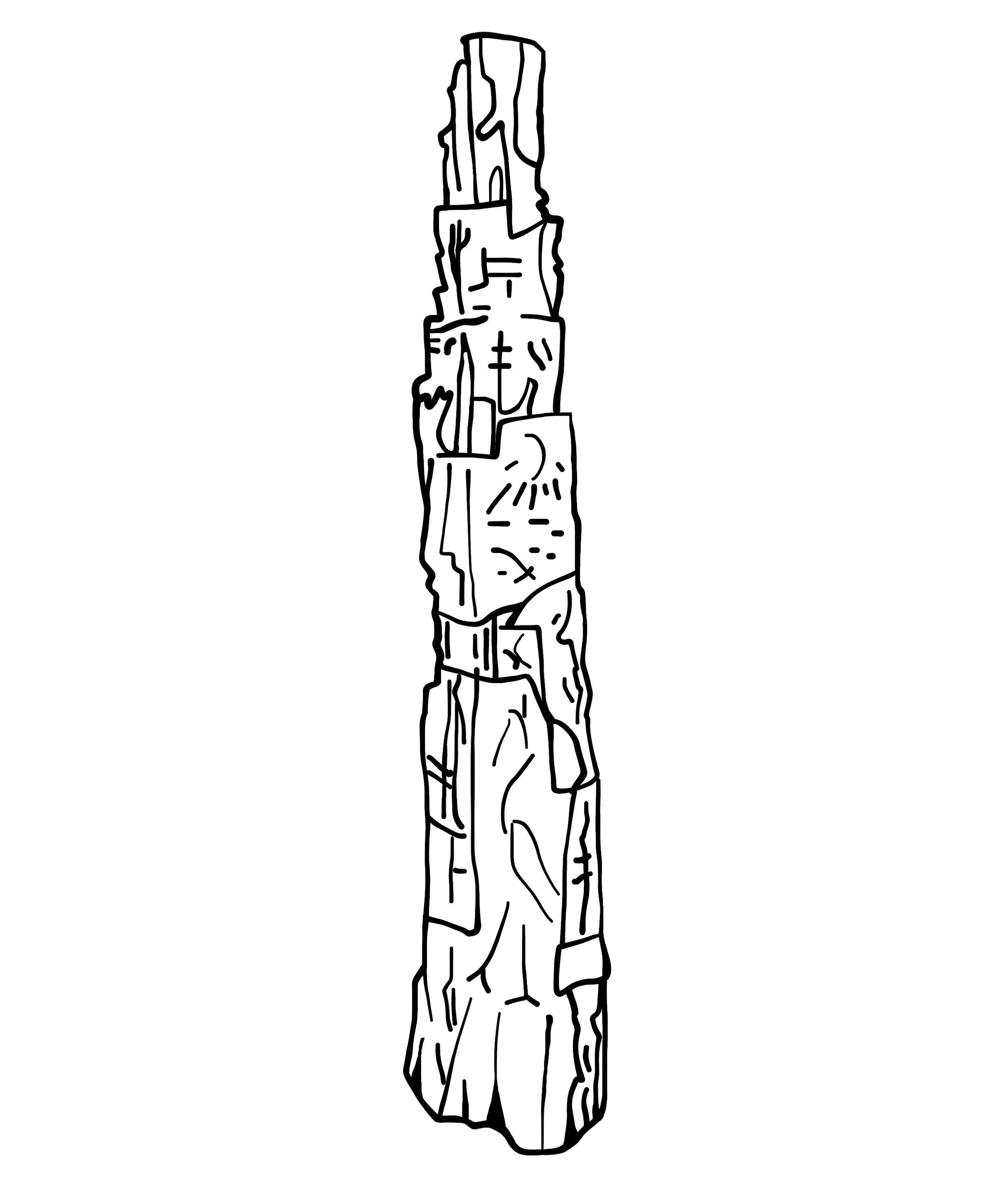
A Visual Guide
illustrations and layout by Hannah Lutz Winkler
Staghorn sumac (Rhus typhina), a tree native to Flushing Meadows.
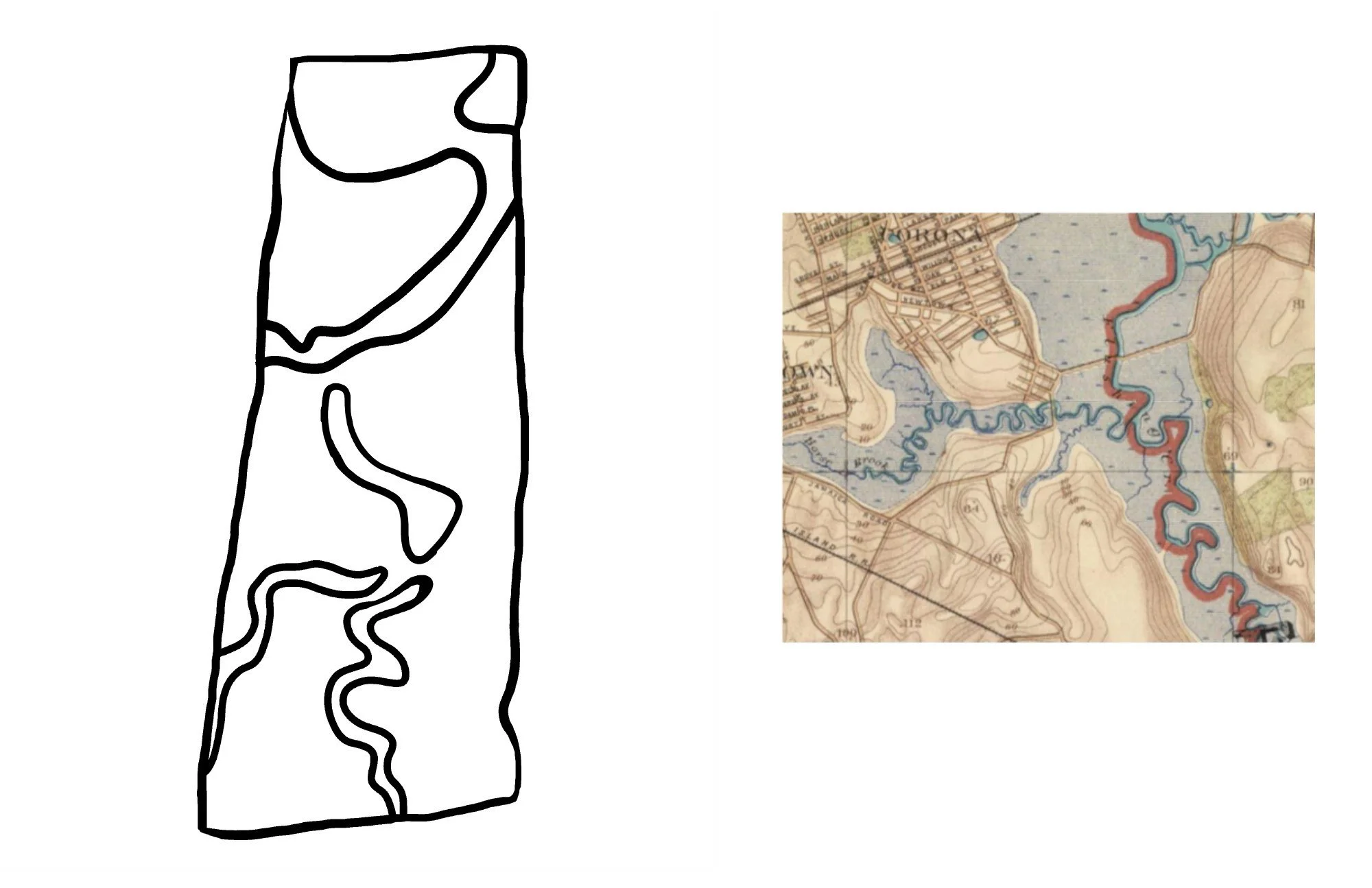
A rendering of Flushing Meadows’ original waterways: the Flushing Creek and Horse Brook.
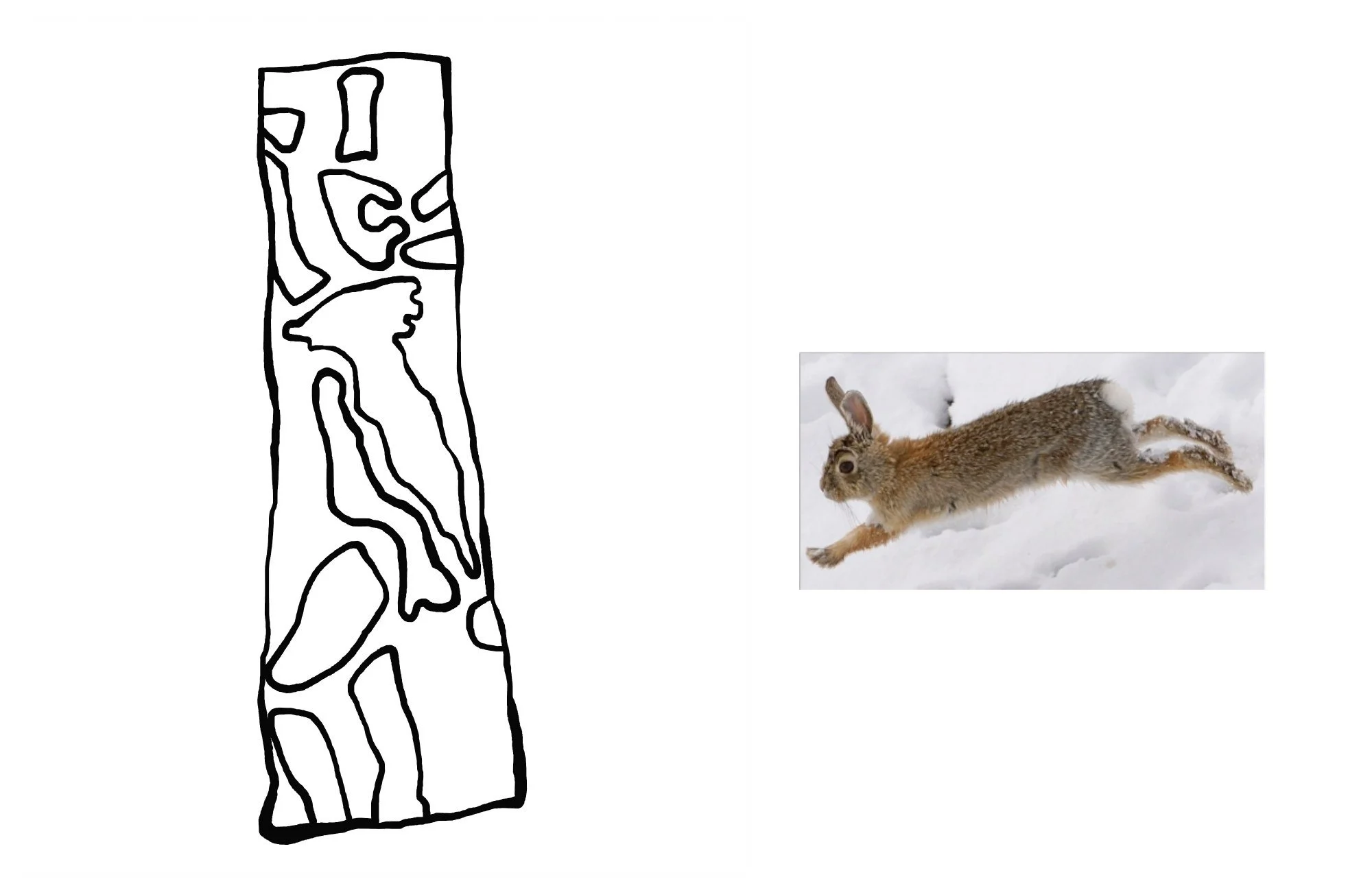
An eastern cottontail (Sylvilagus floridanus), a rabbit native to Flushing Meadows.
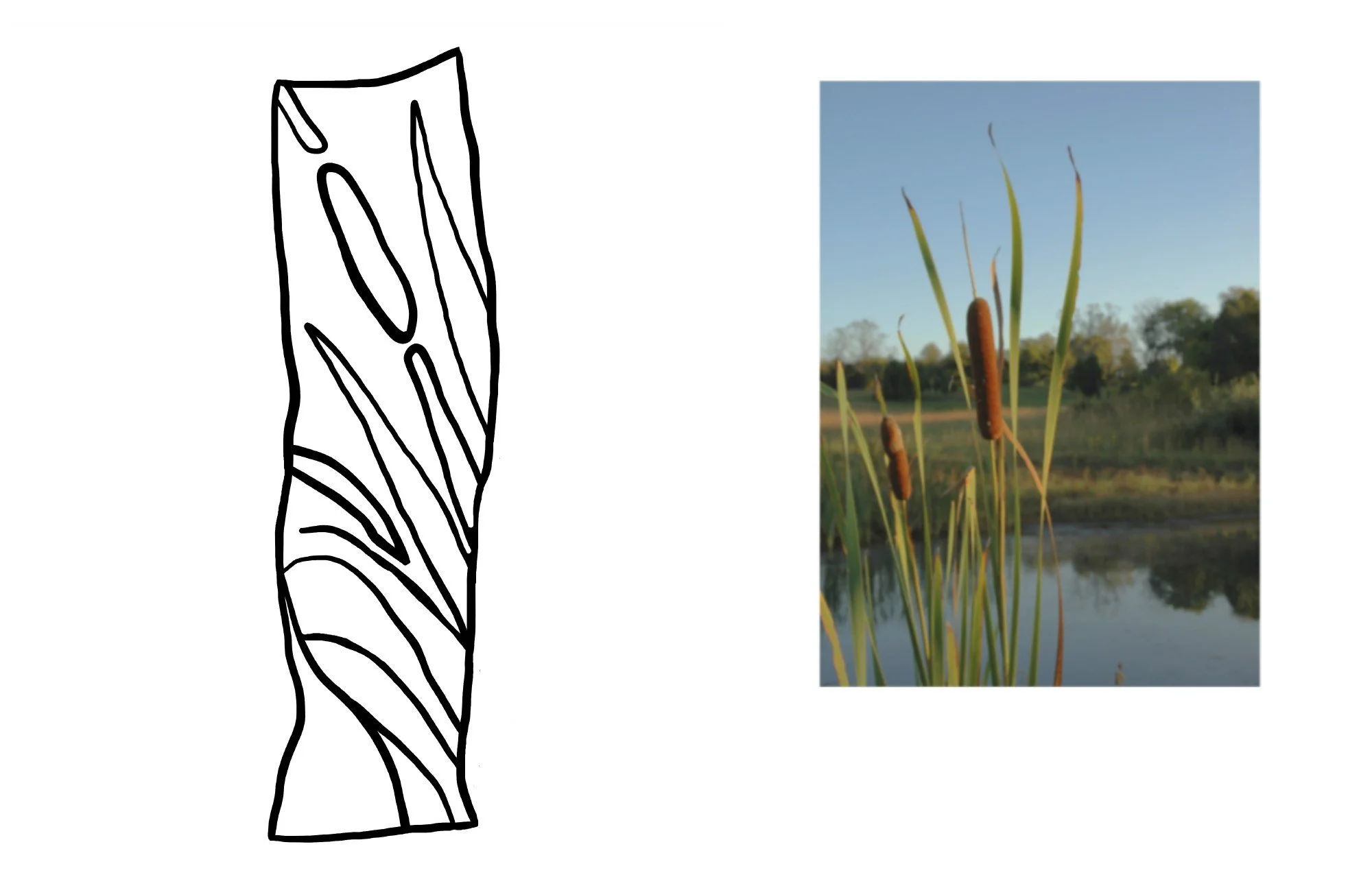
Broadleaf cattail (Typha latifolia) is native to Flushing Meadows, though many local wetland populations have declined due to development and invasive Phragmites.
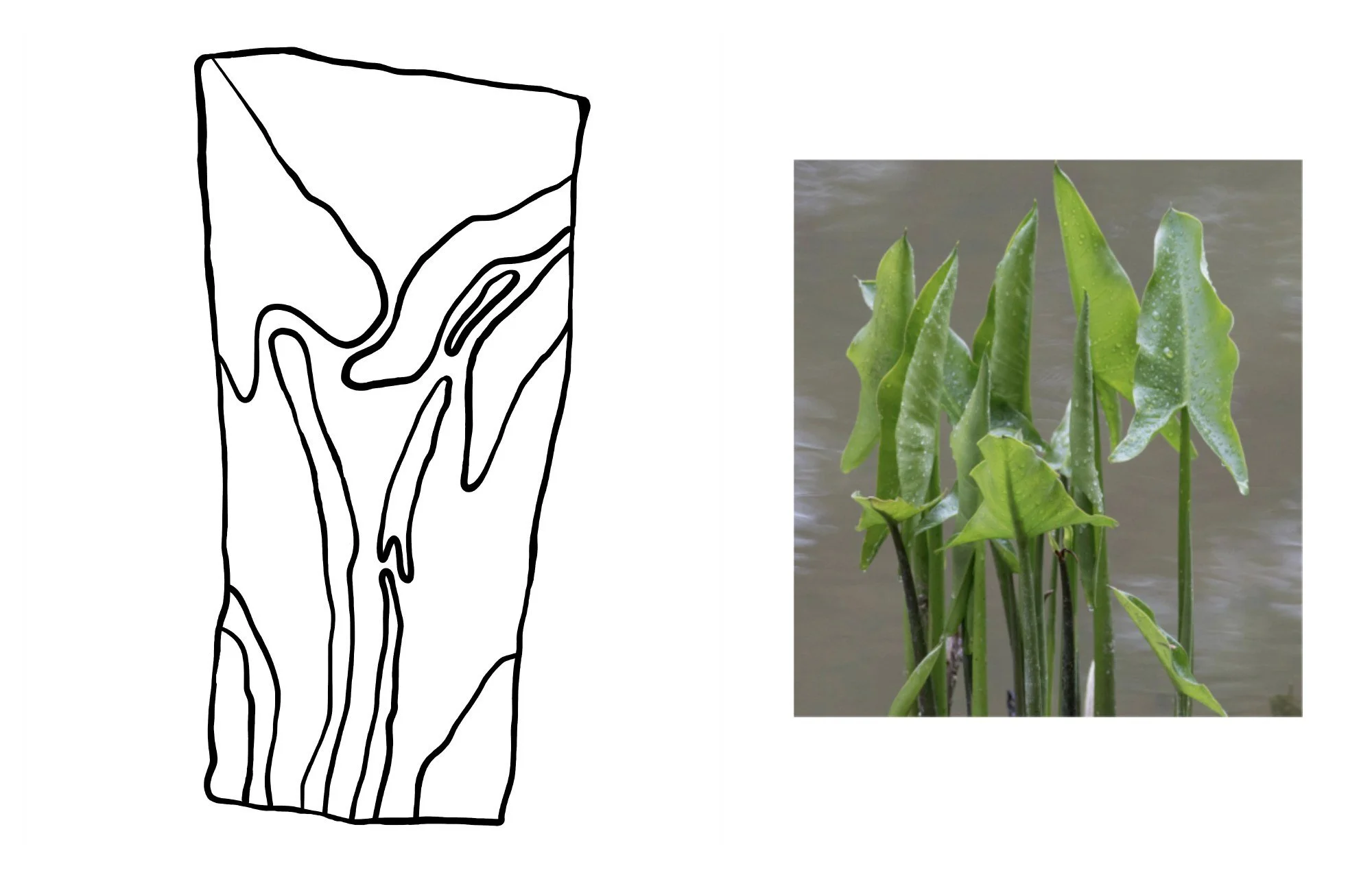
Green arrow arum (Peltandra virginica), a wetland-loving perennial plant native to the wetlands of Flushing Meadows.
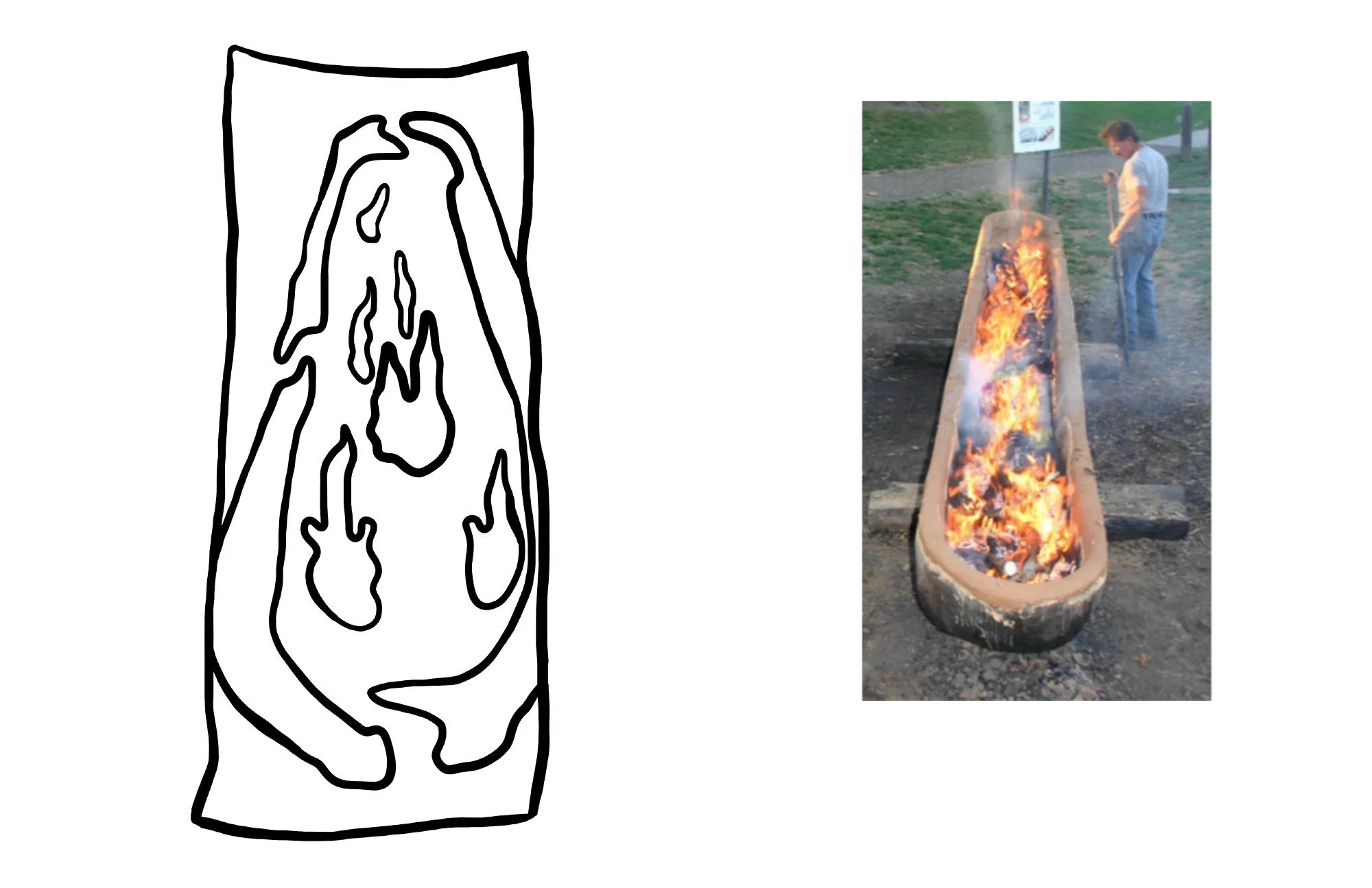
A process of canoe-building, called burn-and-scrape, practiced by the Matinecock, a tribe native to Flushing Meadows.
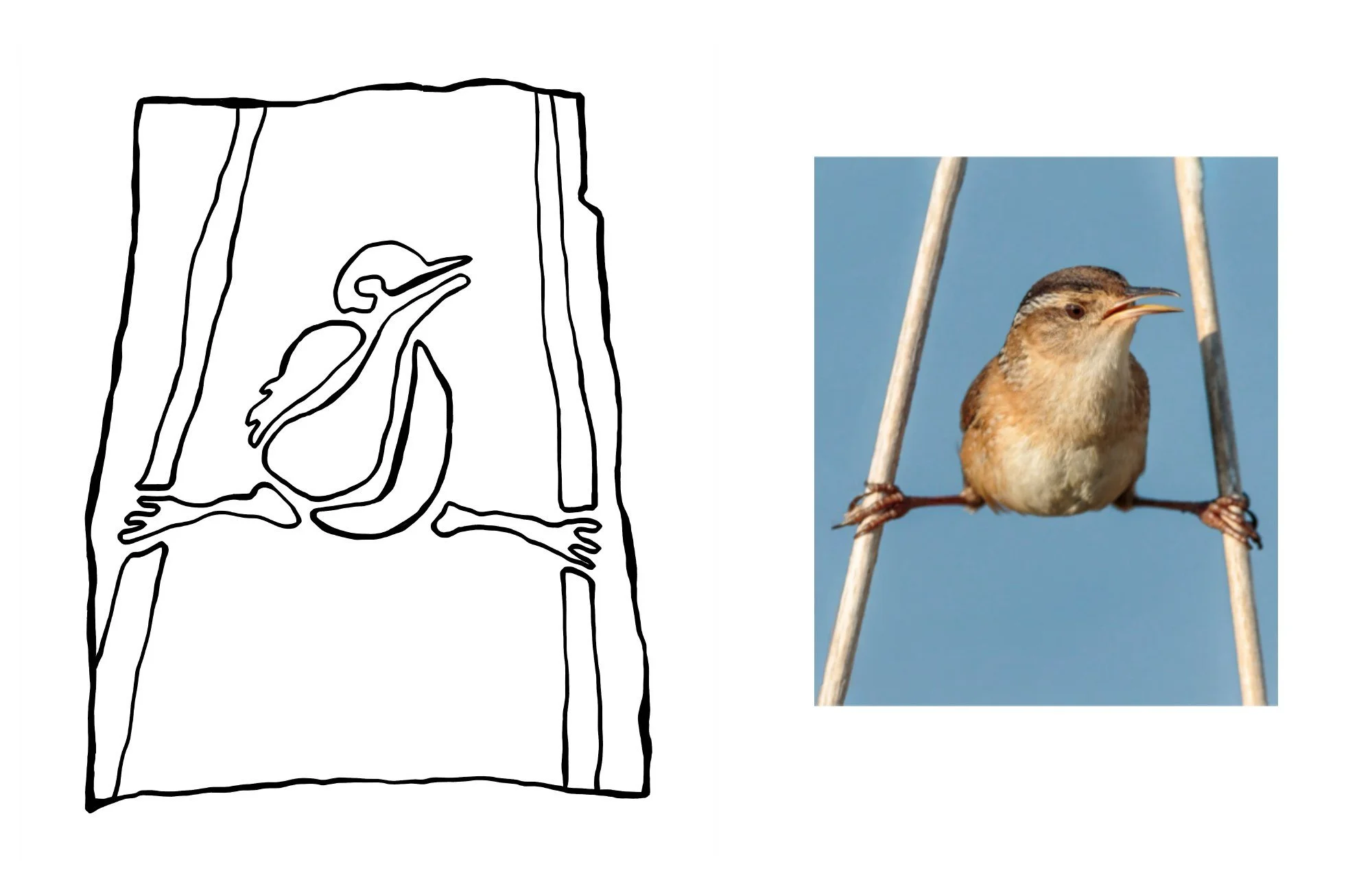
A marsh wren (Cistothorus palustris), native to Flushing Meadows Corona Park, showing its signature behavior: clinging to wetland reeds with its legs splayed out wide, grasping a different stalk with each foot.
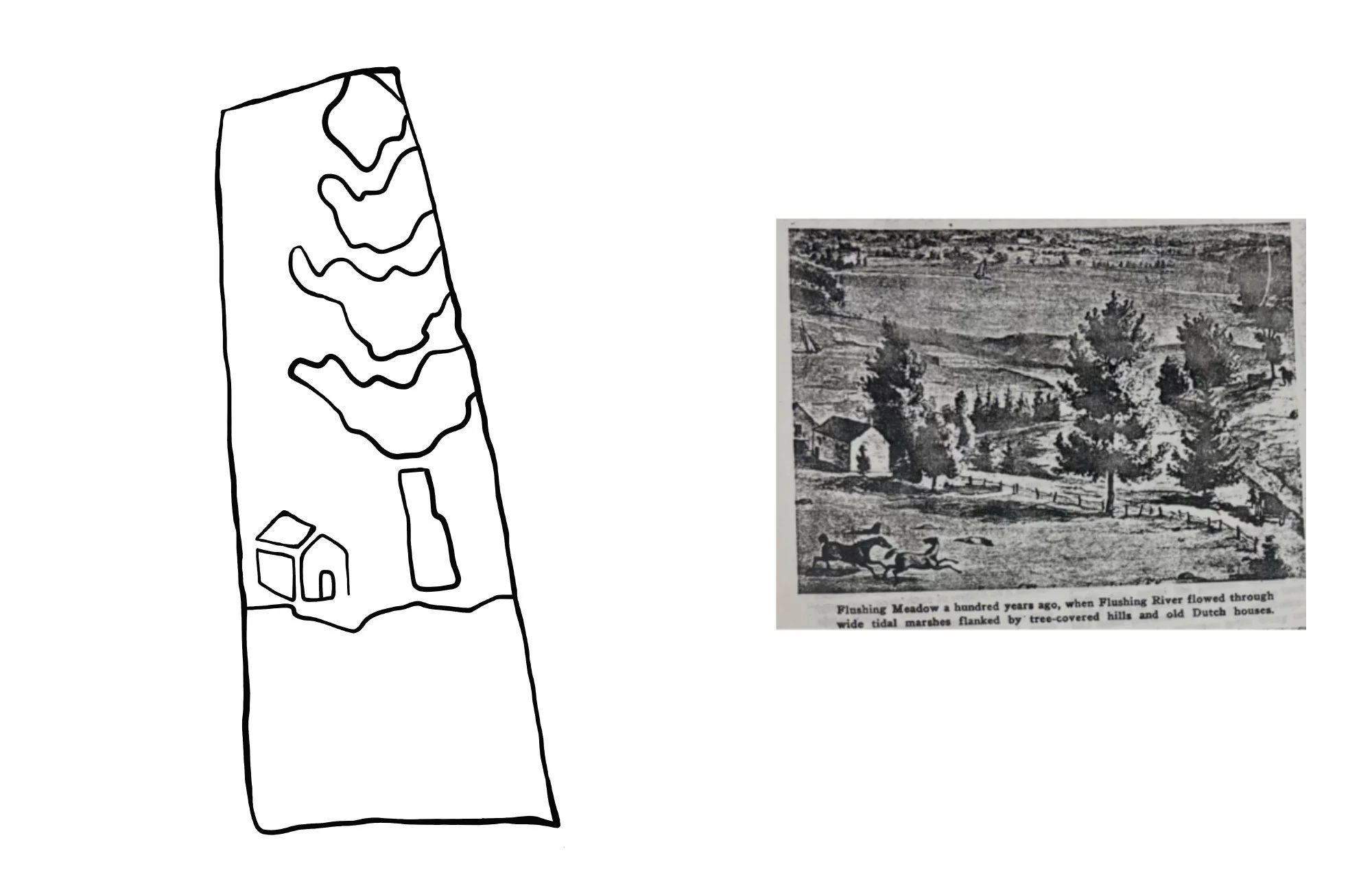
A 1946 depiction of early farming communities in Flushing Meadows, before it became an ash dump.
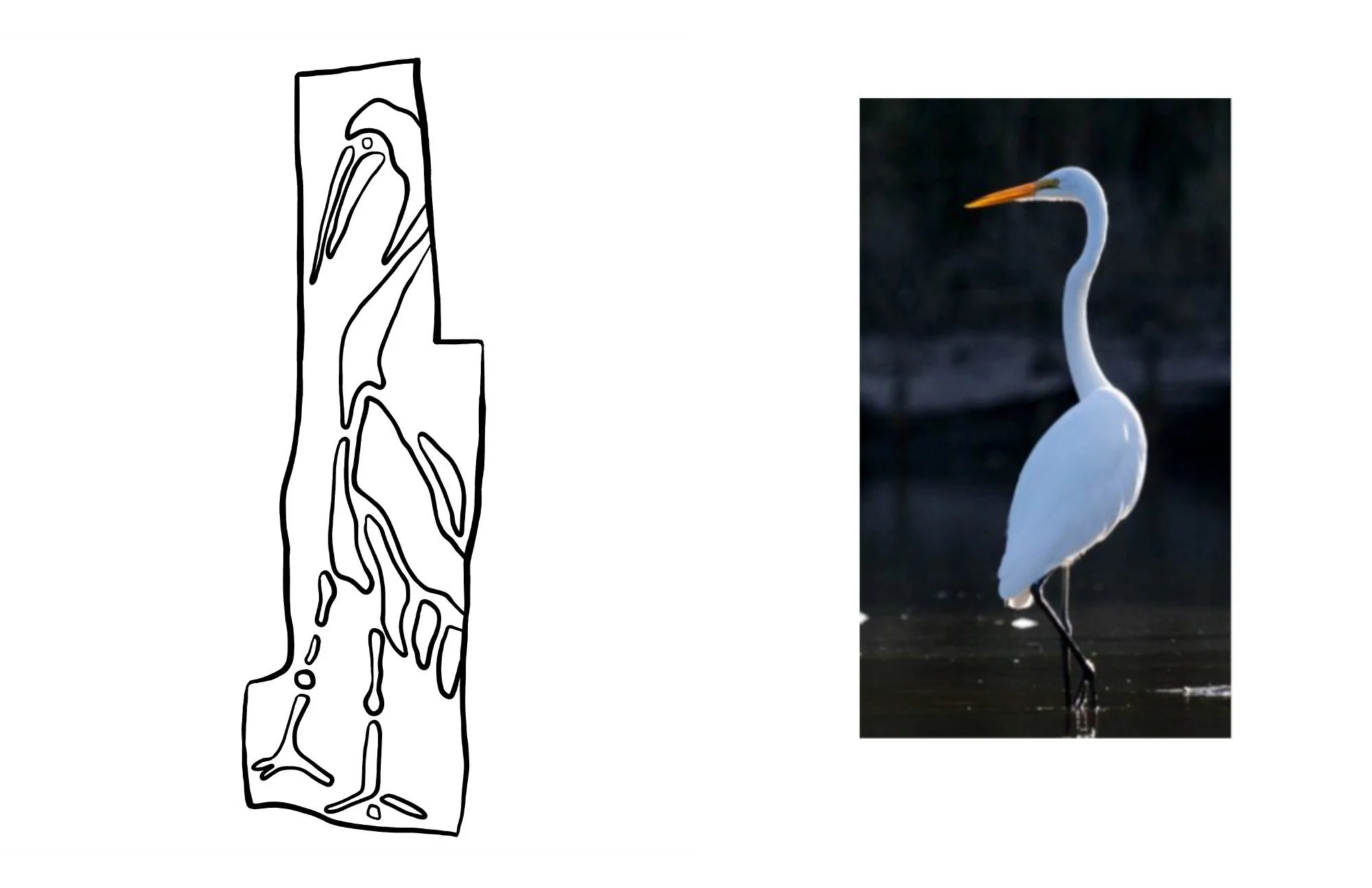
Great egret (Ardea alba), a large wading bird native to Flushing Meadows.
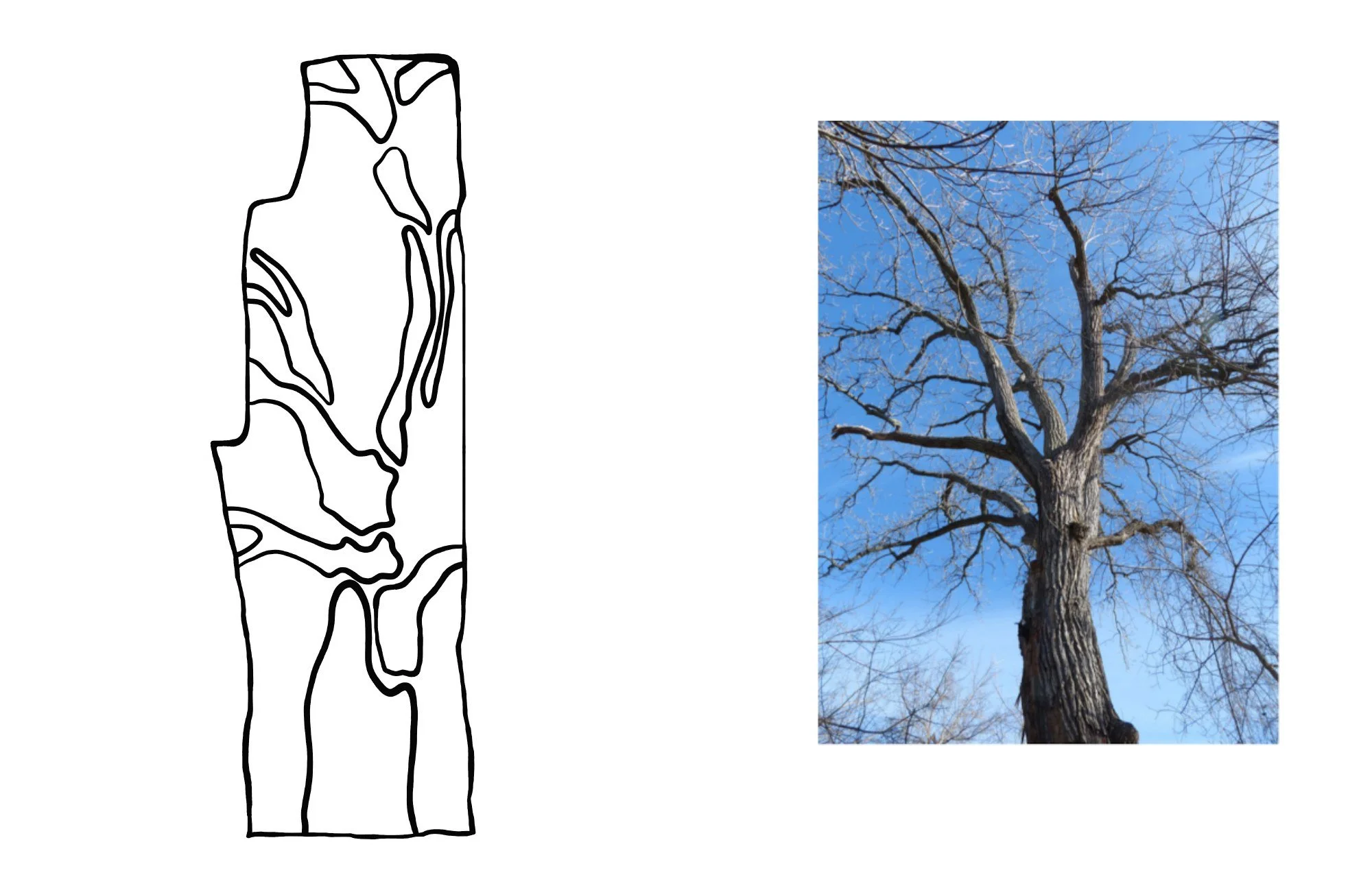
Eastern cottonwood (Populus deltoides), a large deciduous tree in the willow family native to Flushing Meadows.
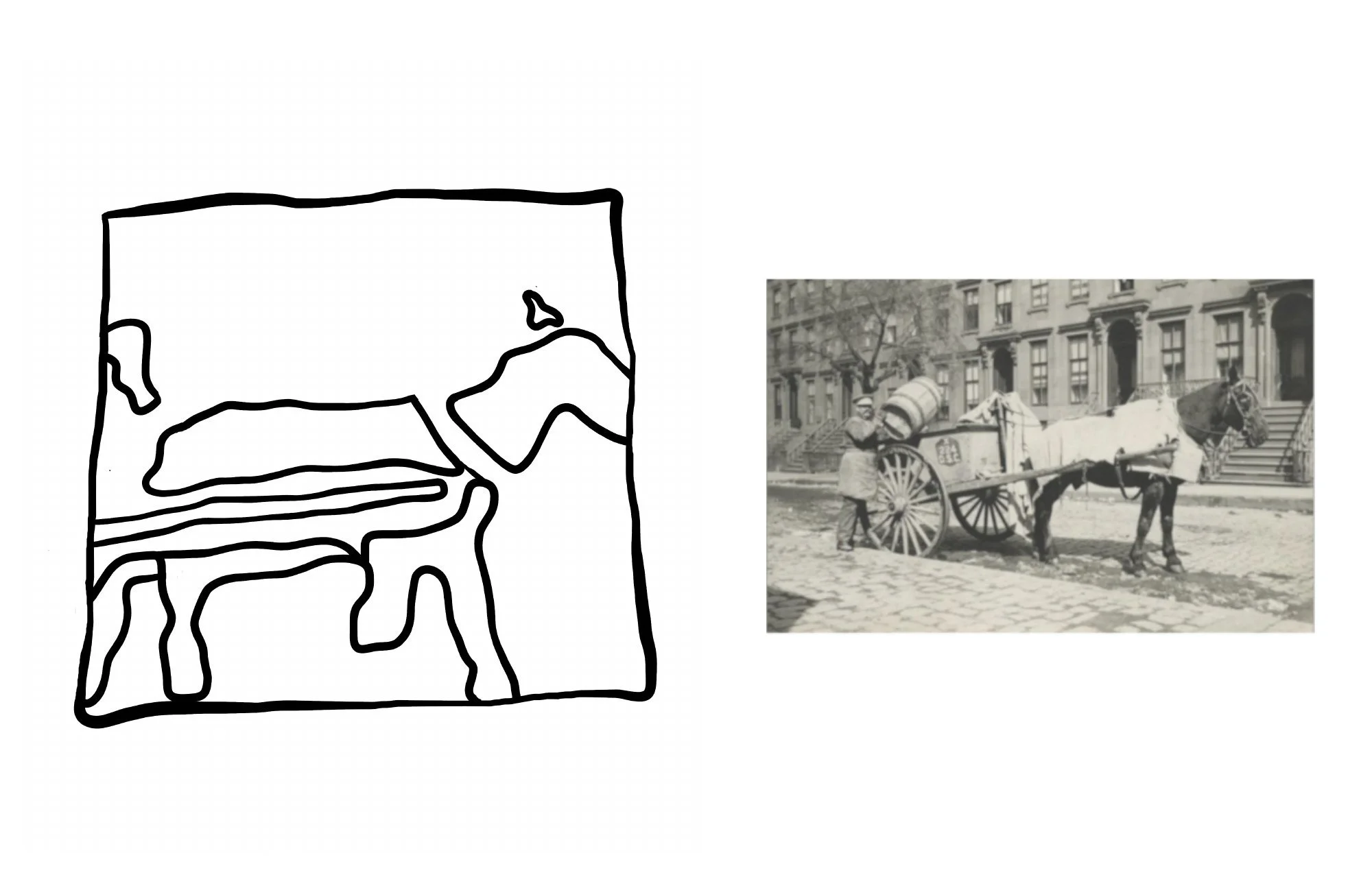
This photograph by Elizabeth Alice Austen shows a horse-drawn ash cart from the NYC Department of Street Cleaning (now the DSNY) on its way to the Corona Ash Dump. (1896)
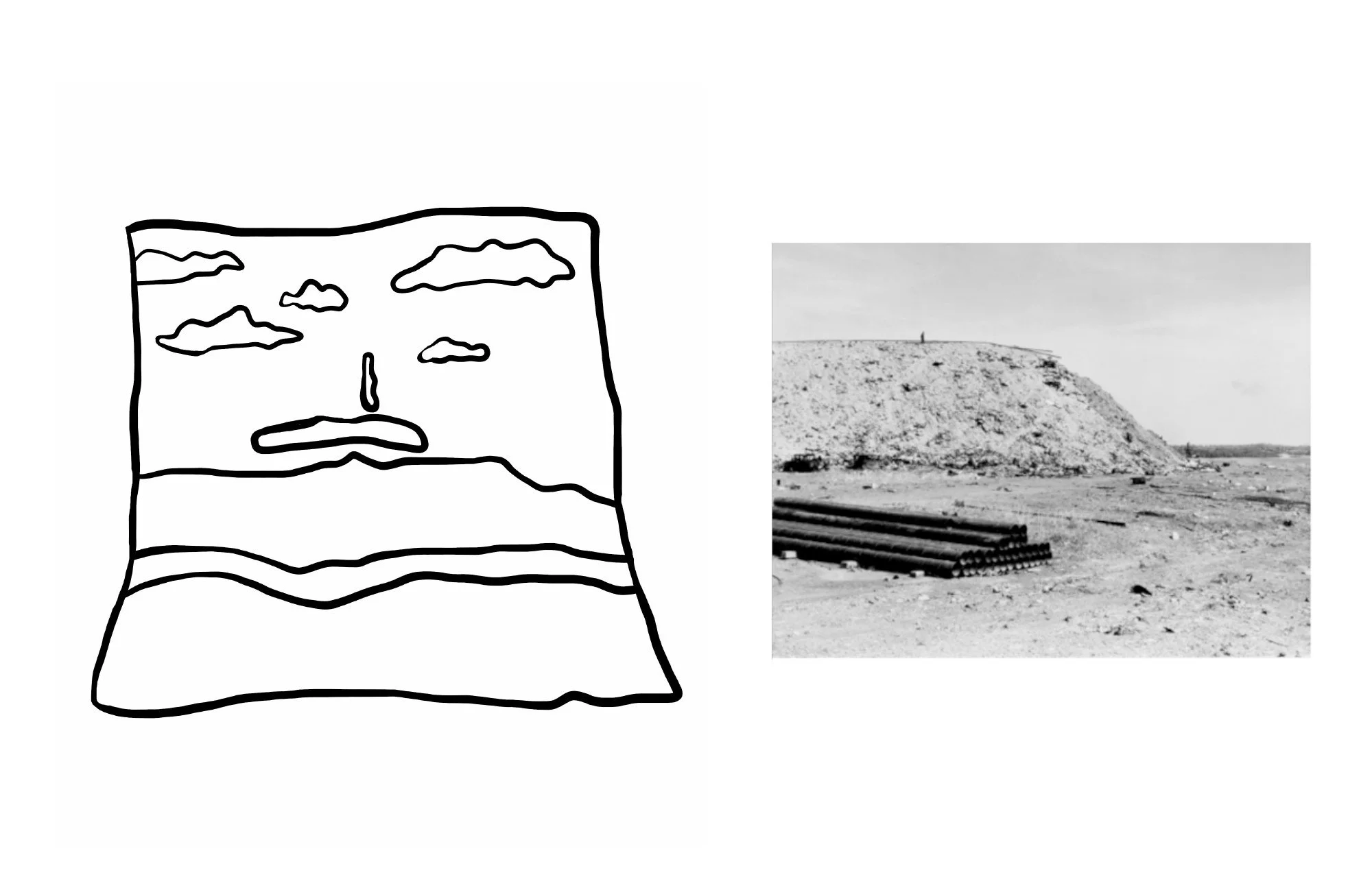
NYC’s huge amount of ash (from coal-burning furnaces) went to the Corona Ash Dump. In The Great Gatsby, F. Scott Fitzgerald called it the “Valley of Ashes.”
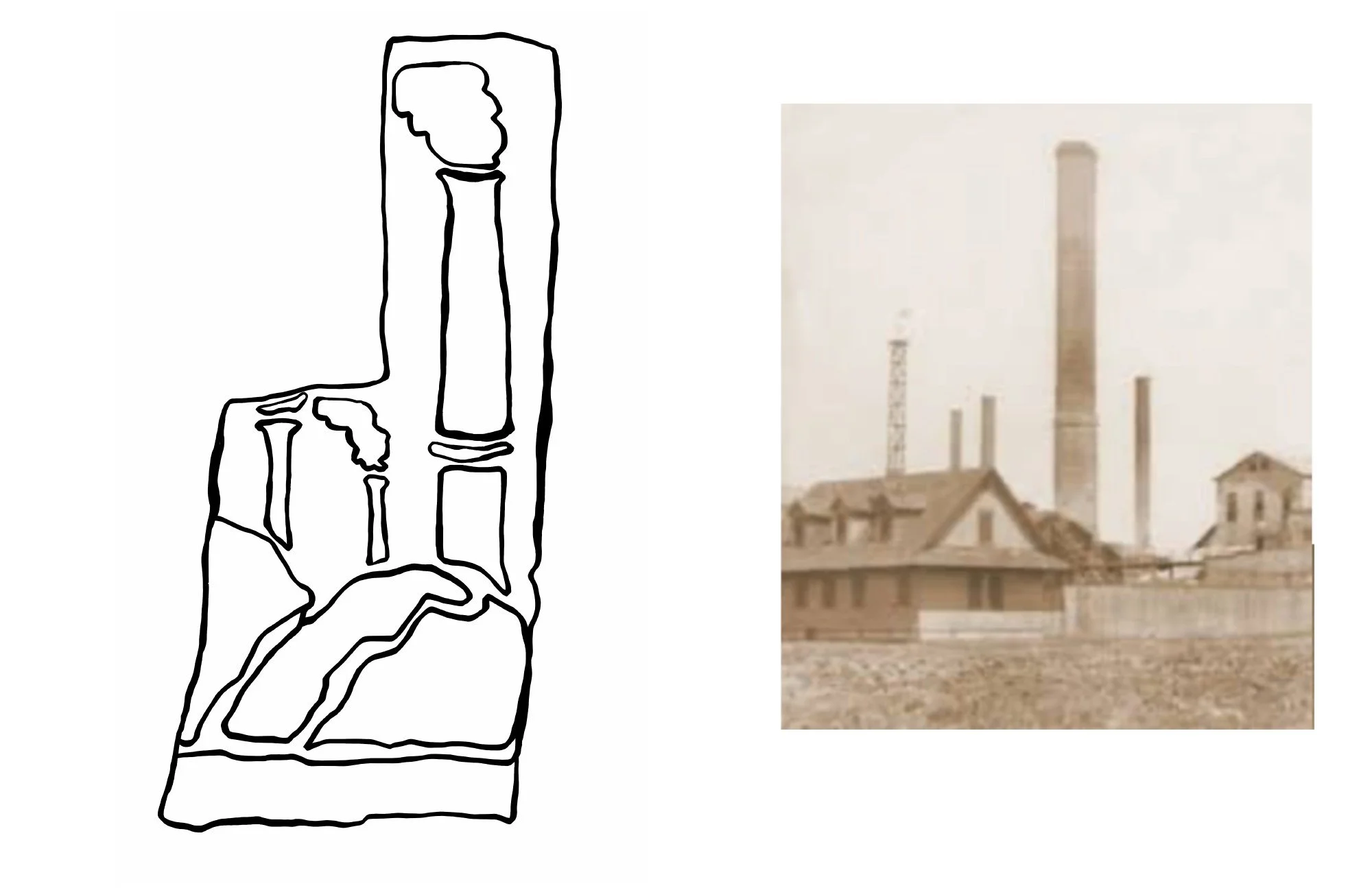
The Barren Island rendering plant, which was located on Barren Island along Jamaica Bay, and operated by the Brooklyn Ash Removal Company (which operated the Corona Ash Dump). (1909)
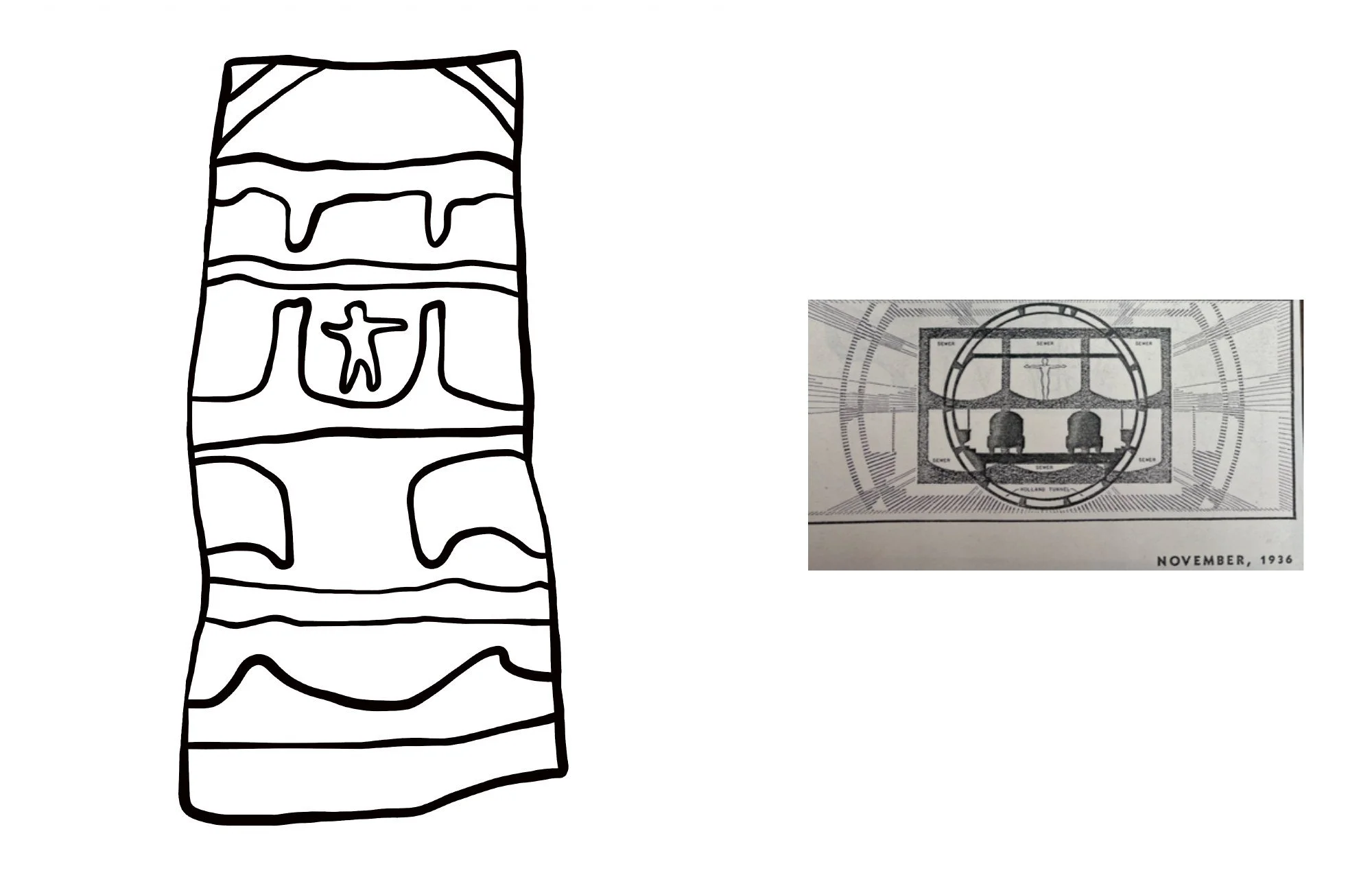
A cross-section diagram of an NYC multi-level transit and utility tunnel design.
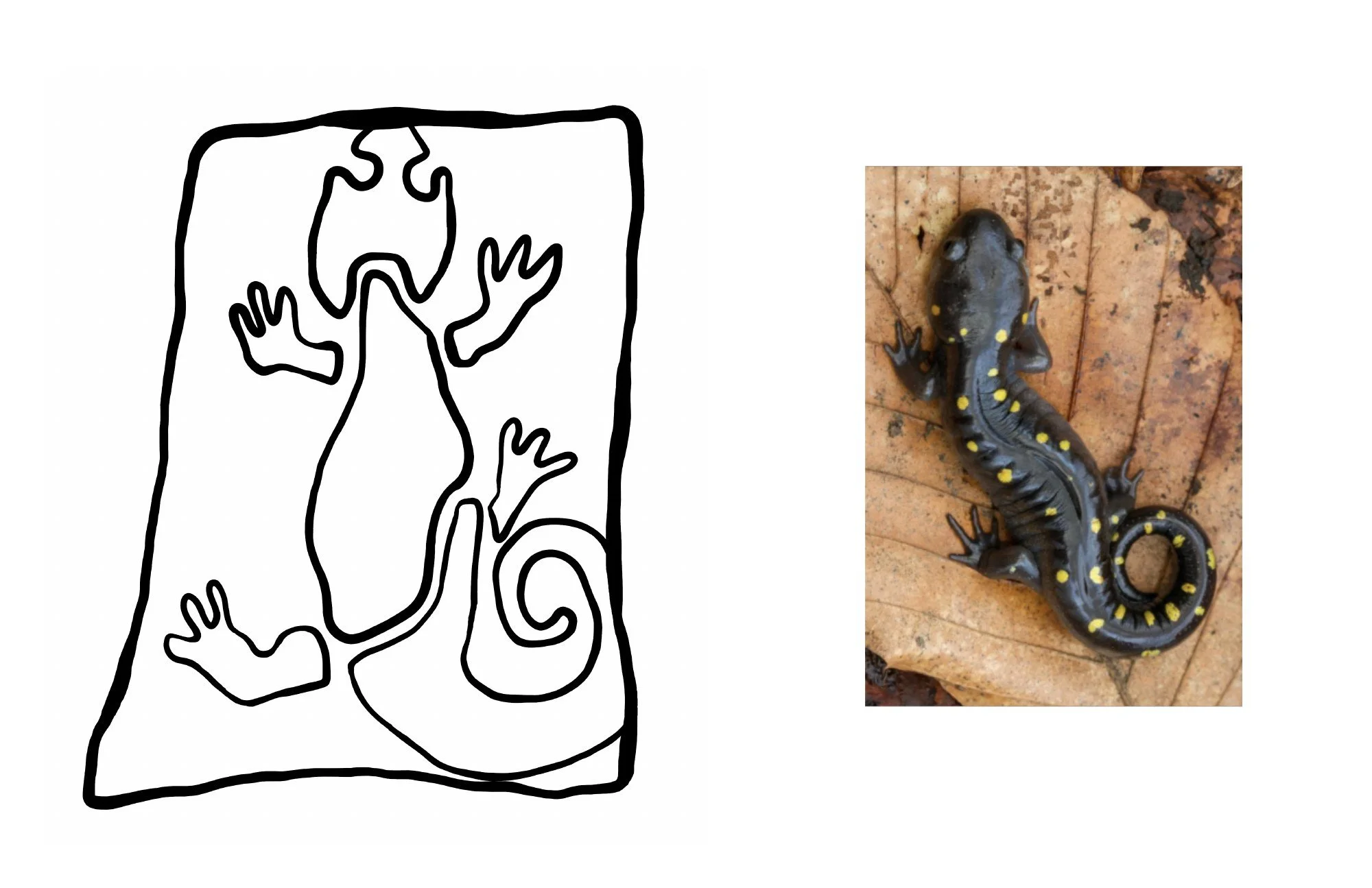
A spotted salamander (Ambystoma maculatum), native to Flushing Meadows.
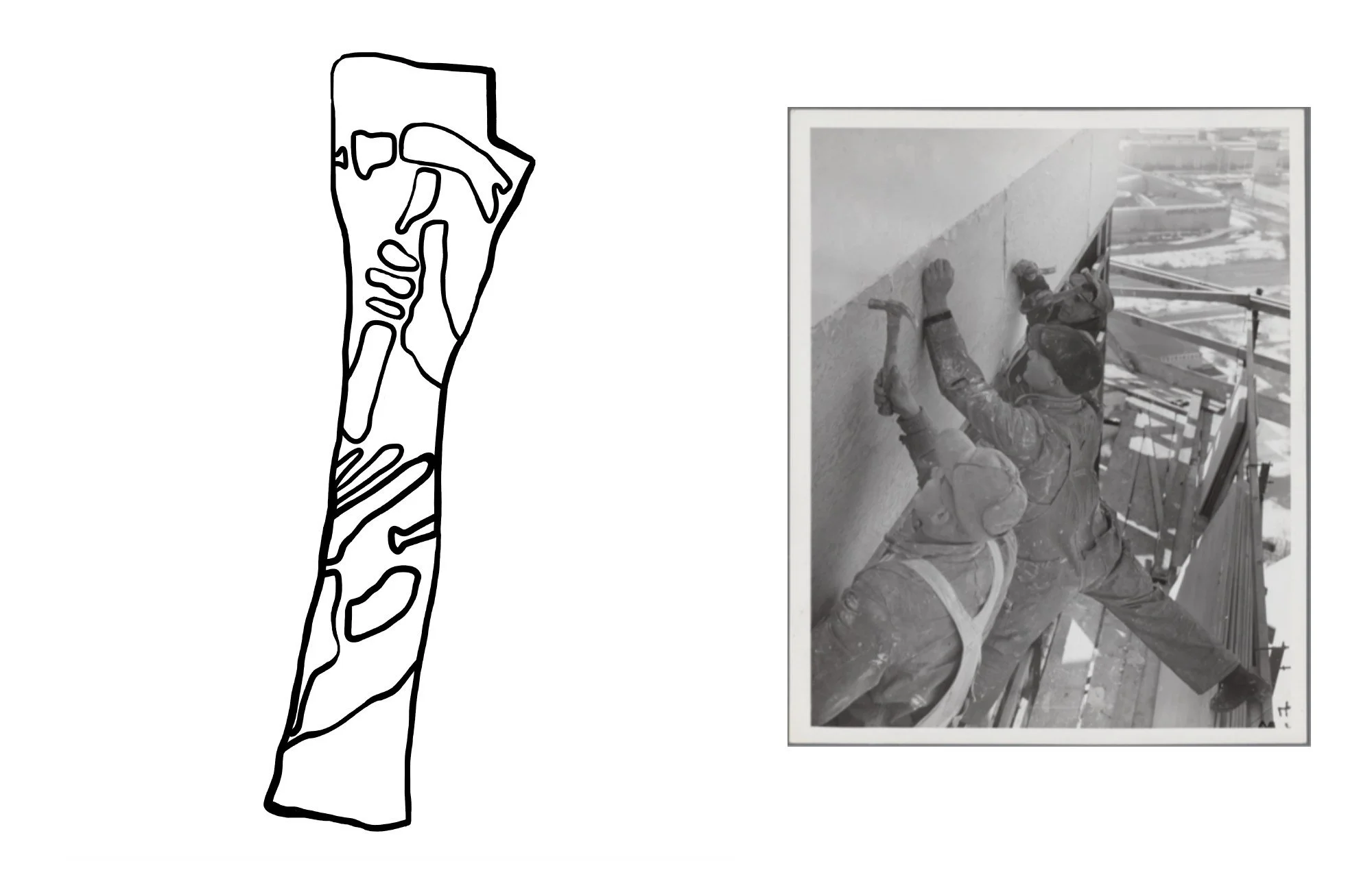
Construction workers nail panels to the exterior of the Trylon during the construction of the Theme Center for the 1939 New York World’s Fair.
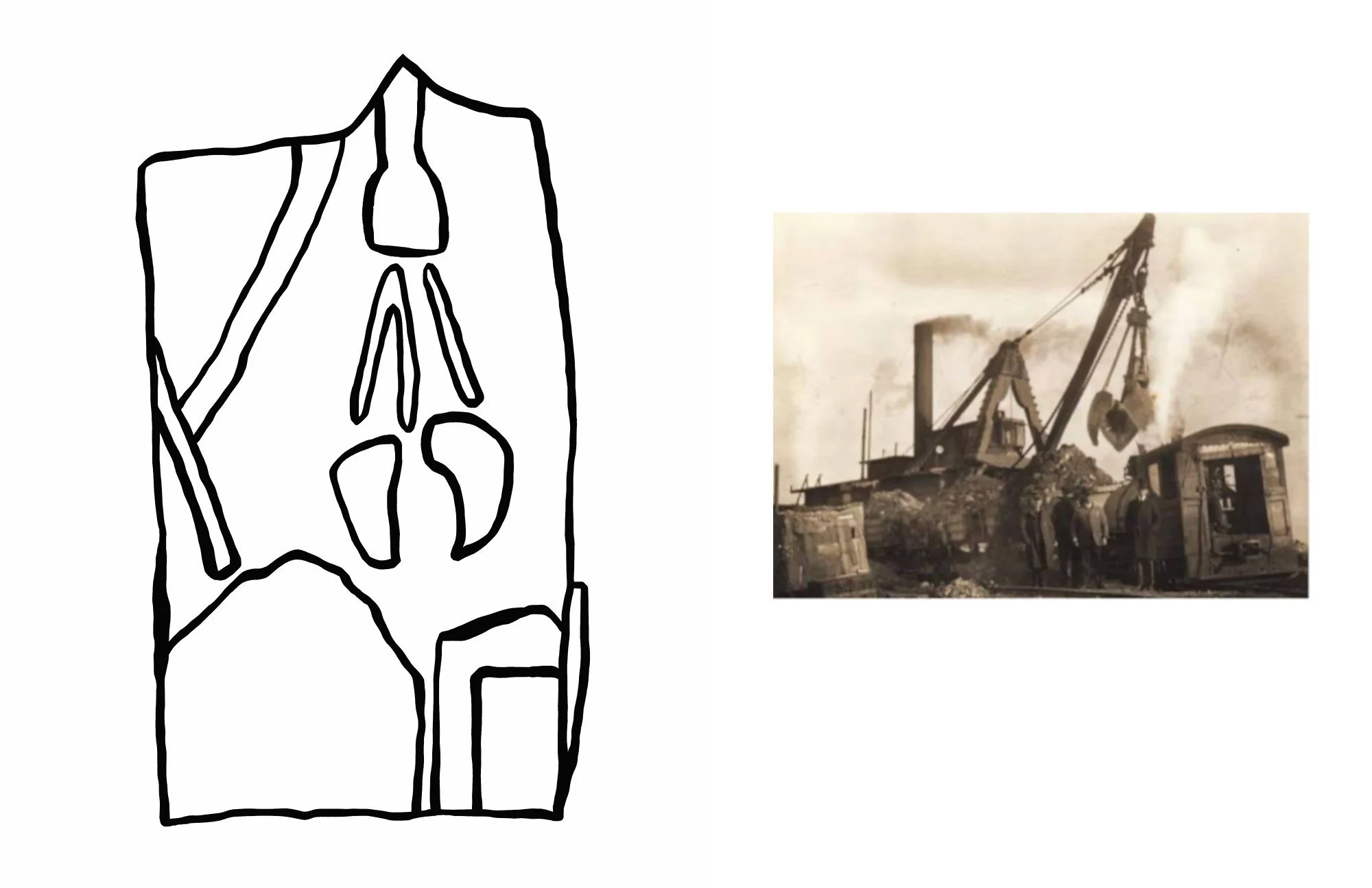
Steam-powered crane transferring ash and refuse into railcars at the Corona Ash Dump. (1920s)
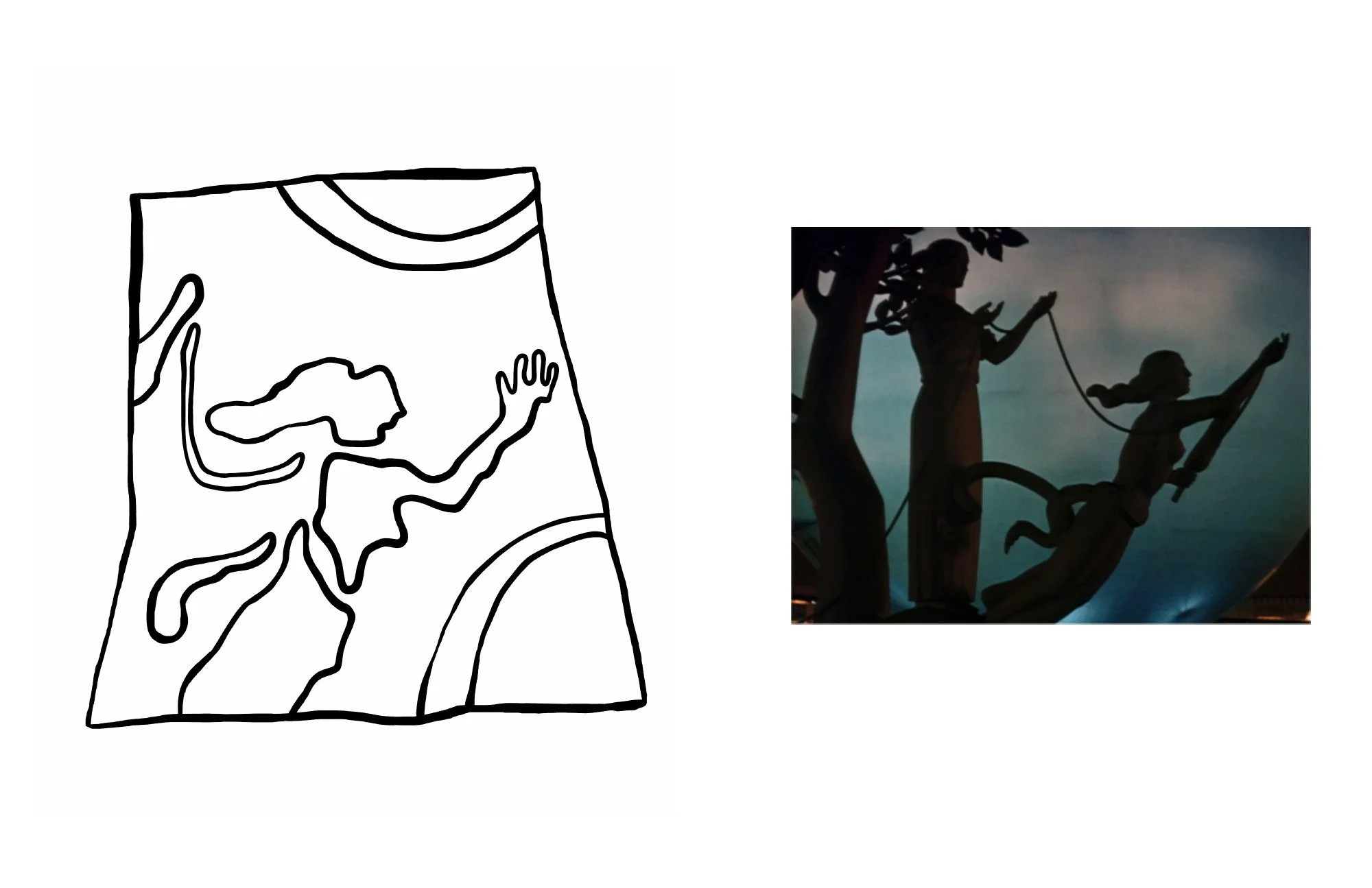
“Time and the Fates of Man,” a sculpture and giant sundial created by Paul Manship for the 1939 New York World’s Fair.
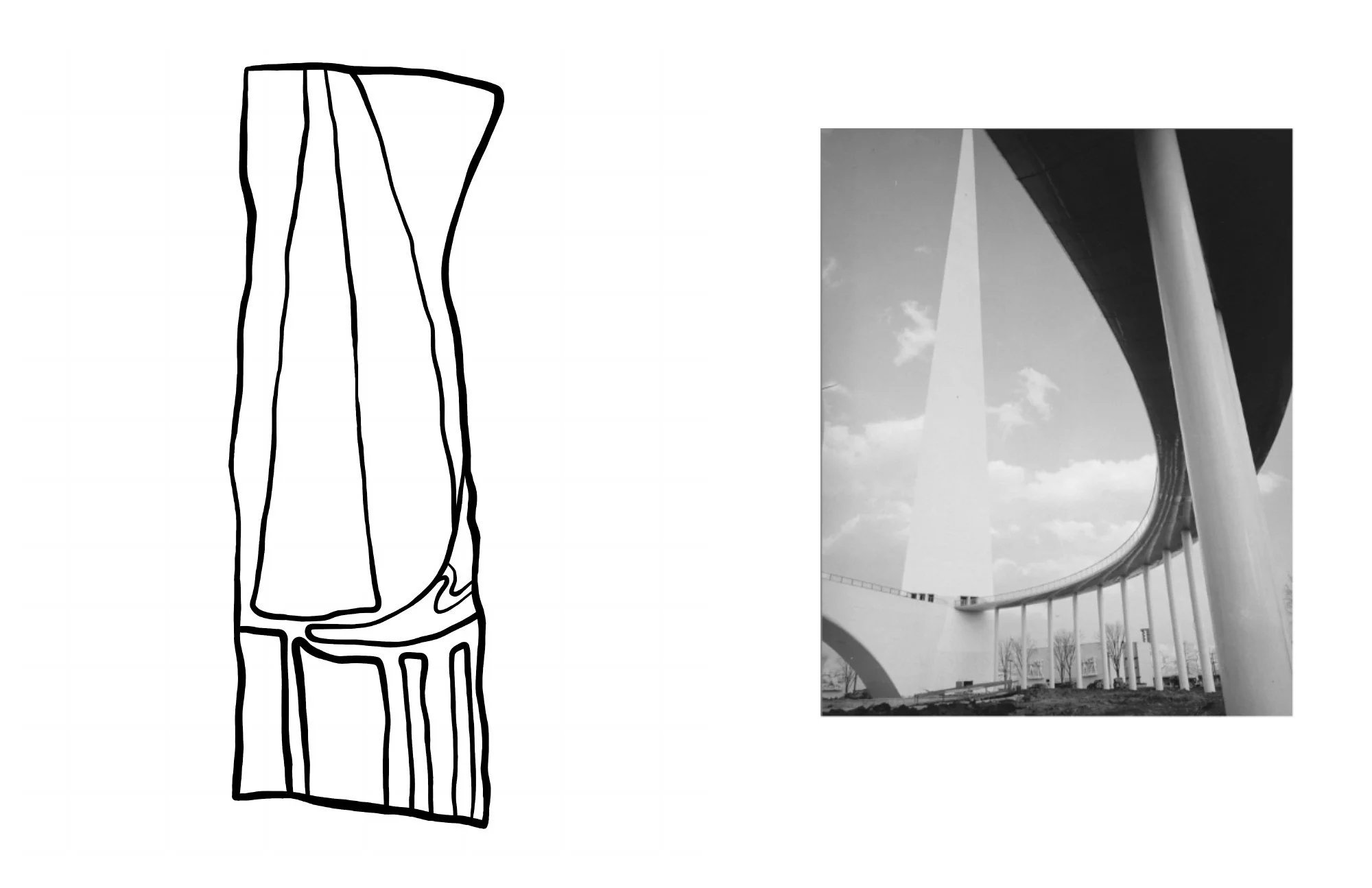
The Trylon, a 610-foot triangular spire, and the curved spiral ramp of the Helicline, from the 1939 World’s Fair.
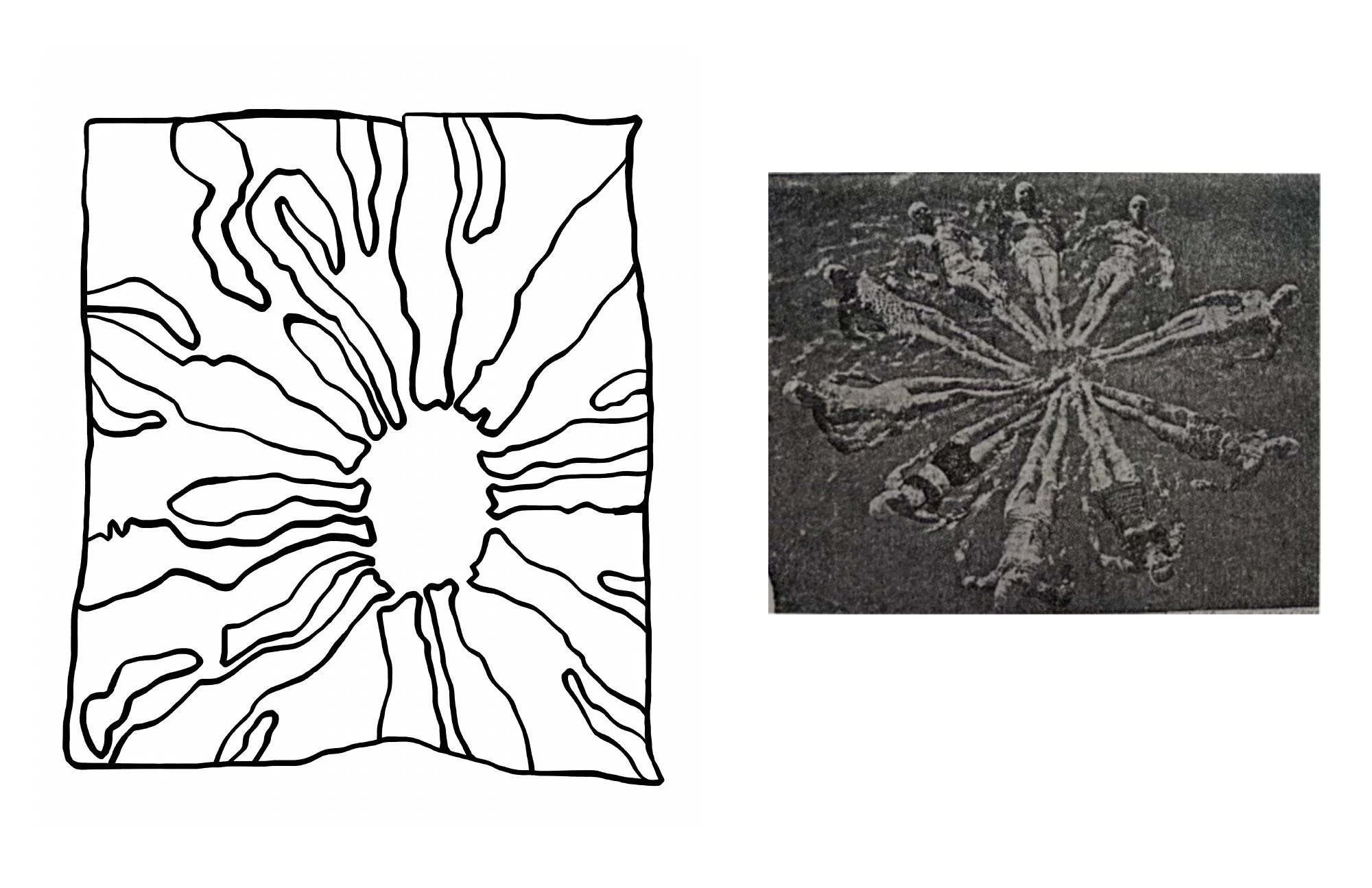
The Aquabelles were synchronized swimmers who performed at the New York State Marine Amphitheatre, now demolished. (1953)
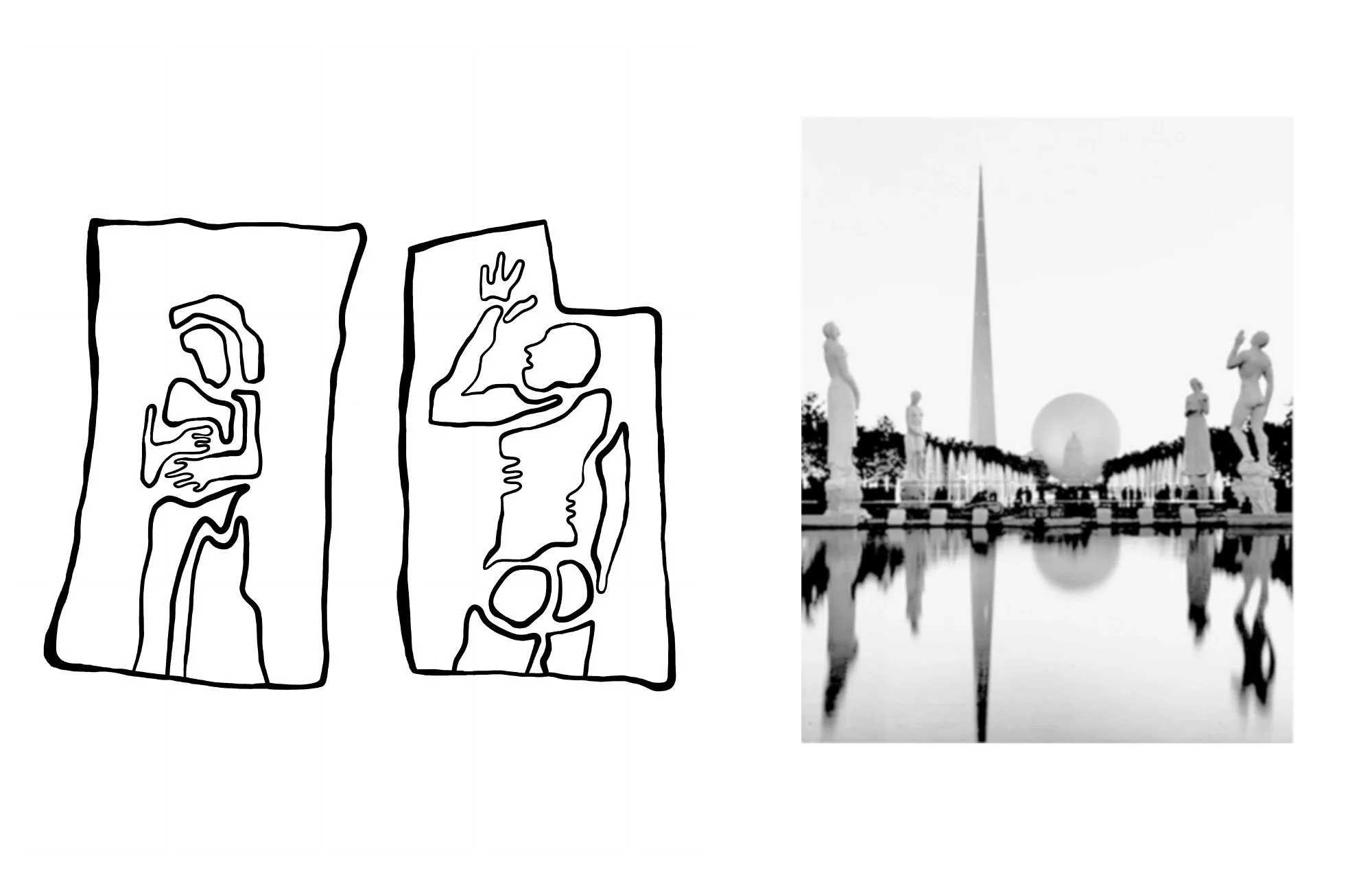
“Four Freedoms” sculptures created by Leo Friedlander during the 1939 World’s Fair.
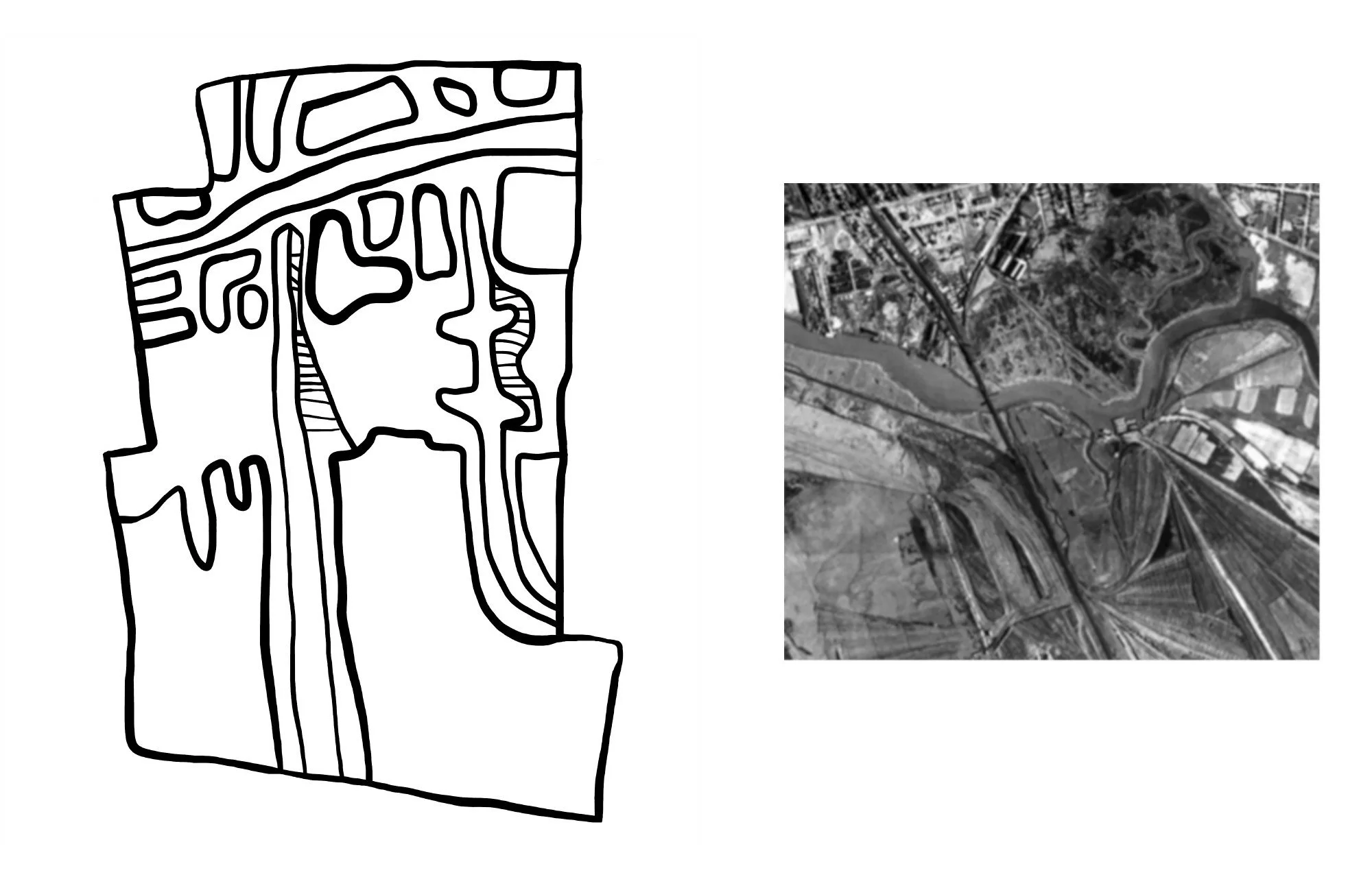
Aerial view of the Corona Ash Dump.
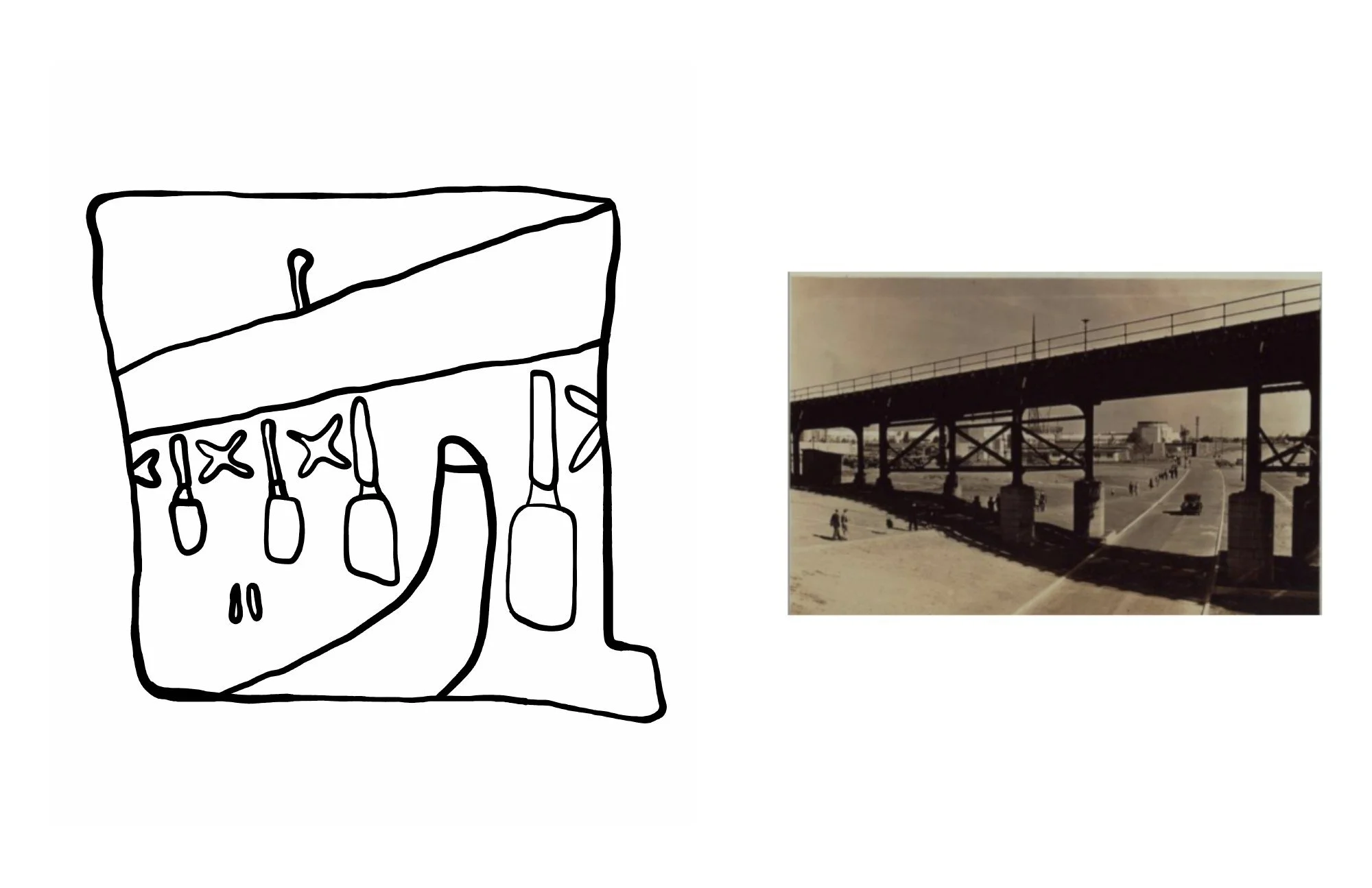
Construction of the Grand Central Parkway Extension at Roosevelt Avenue in Corona, Queens, New York, with the IRT Flushing Line (now the 7 train) elevated structure running above it. (1933)
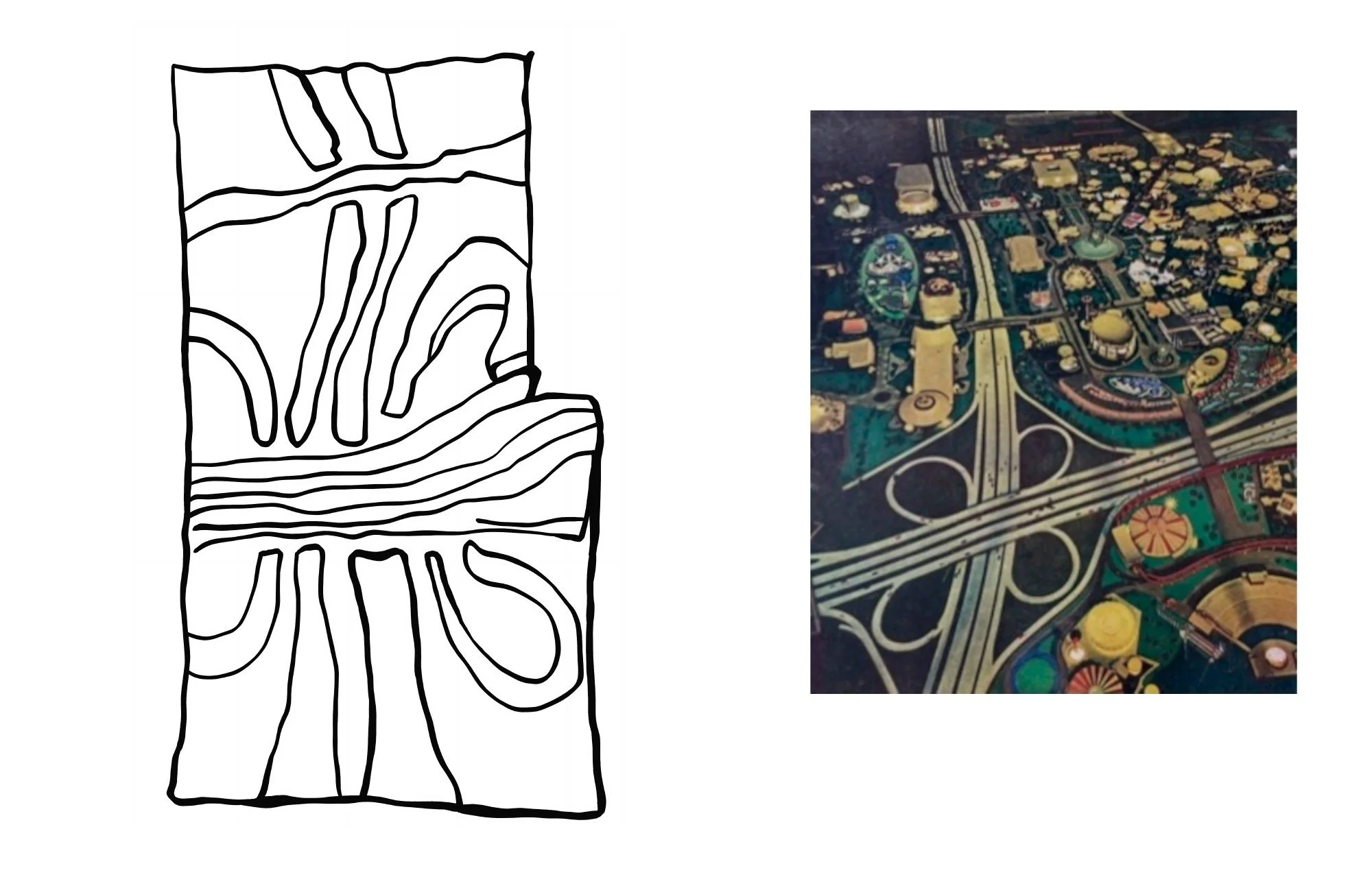
A scale model of the highway interchanges surrounding the second New York World’s Fair in Flushing Meadows. (1964–65)
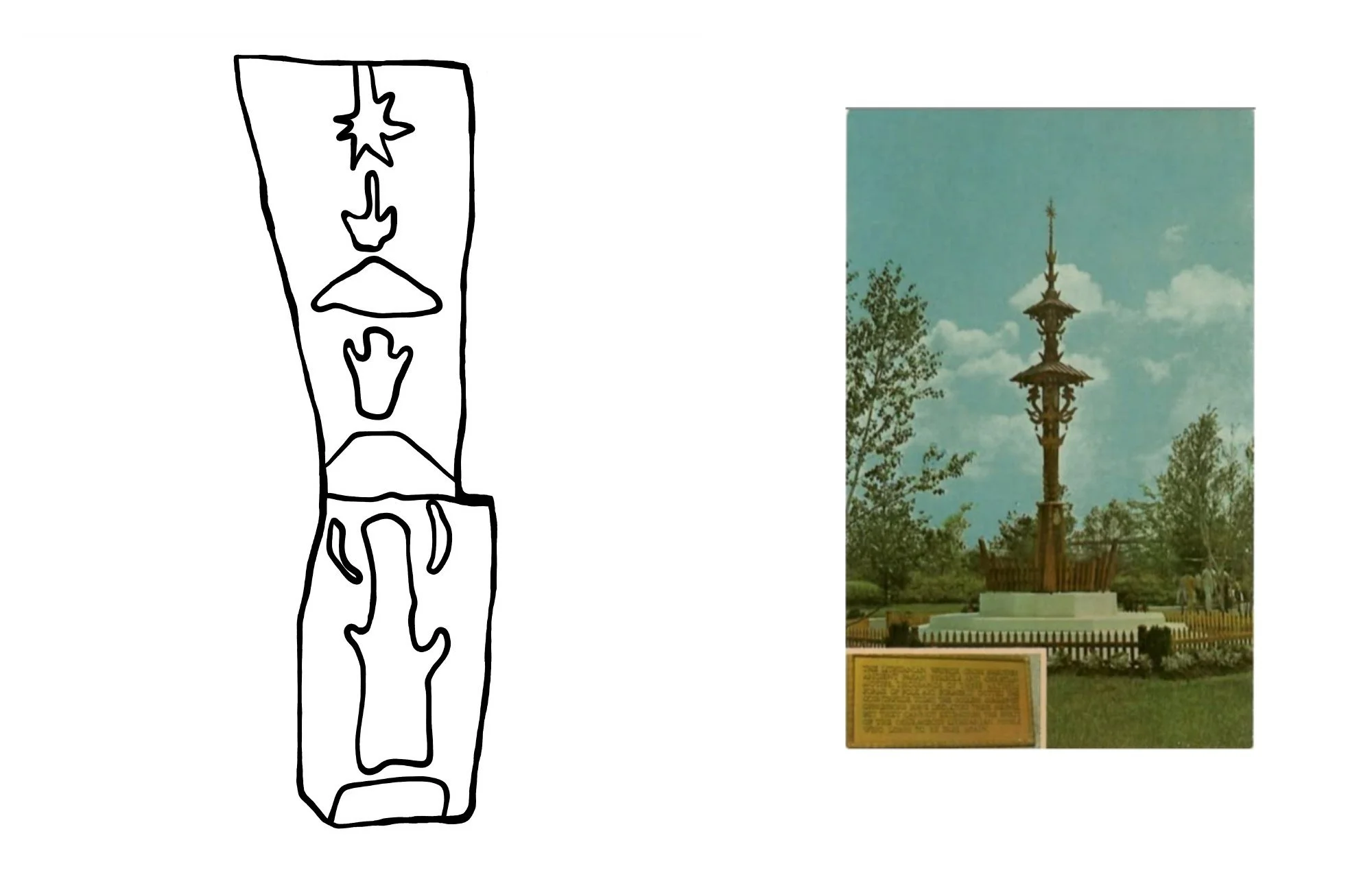
A Lithuanian Wayside Cross, originally displayed at the 1964–65 World’s Fair.
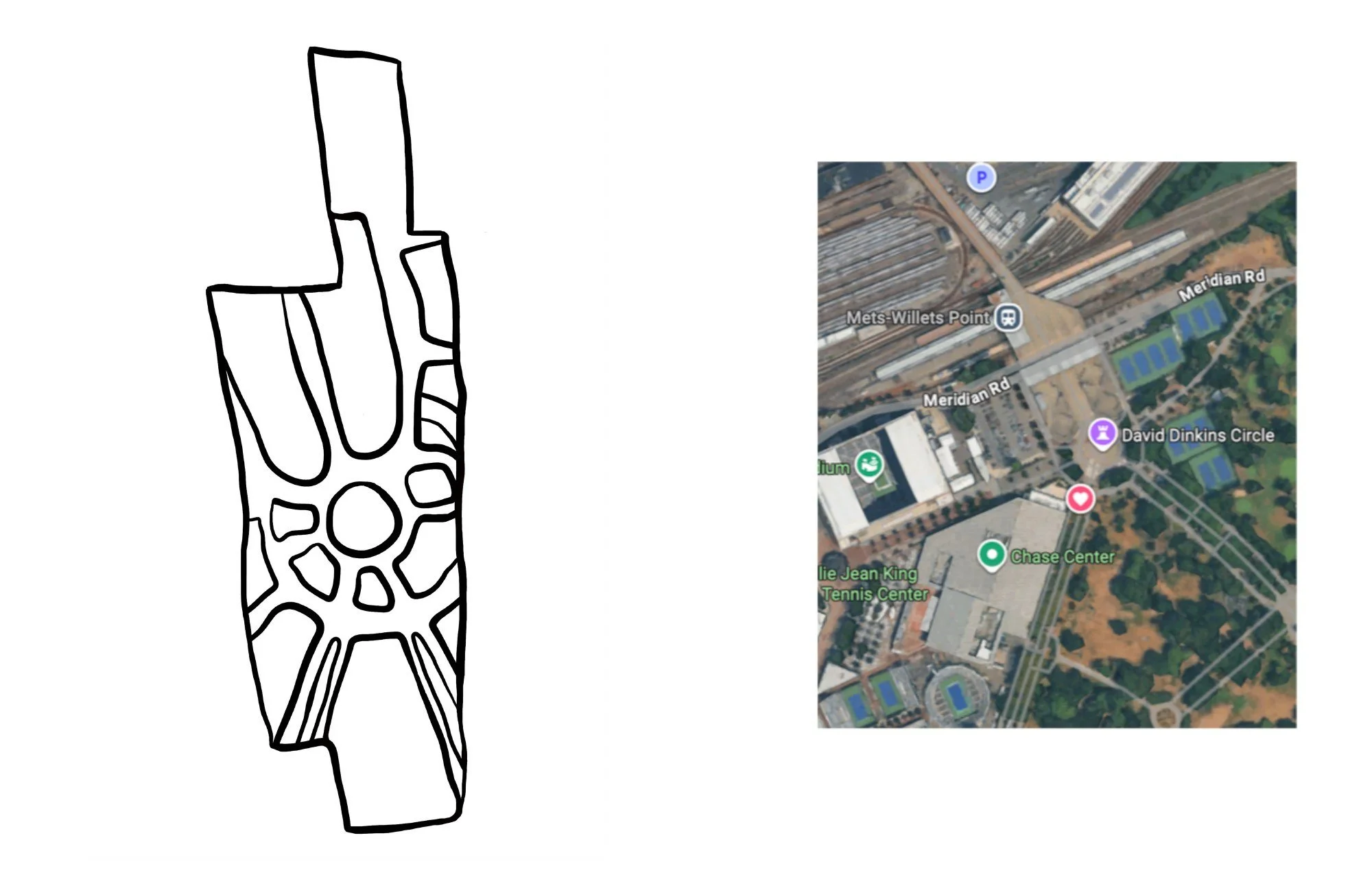
David Dinkins Circle, the location of the sculpture.
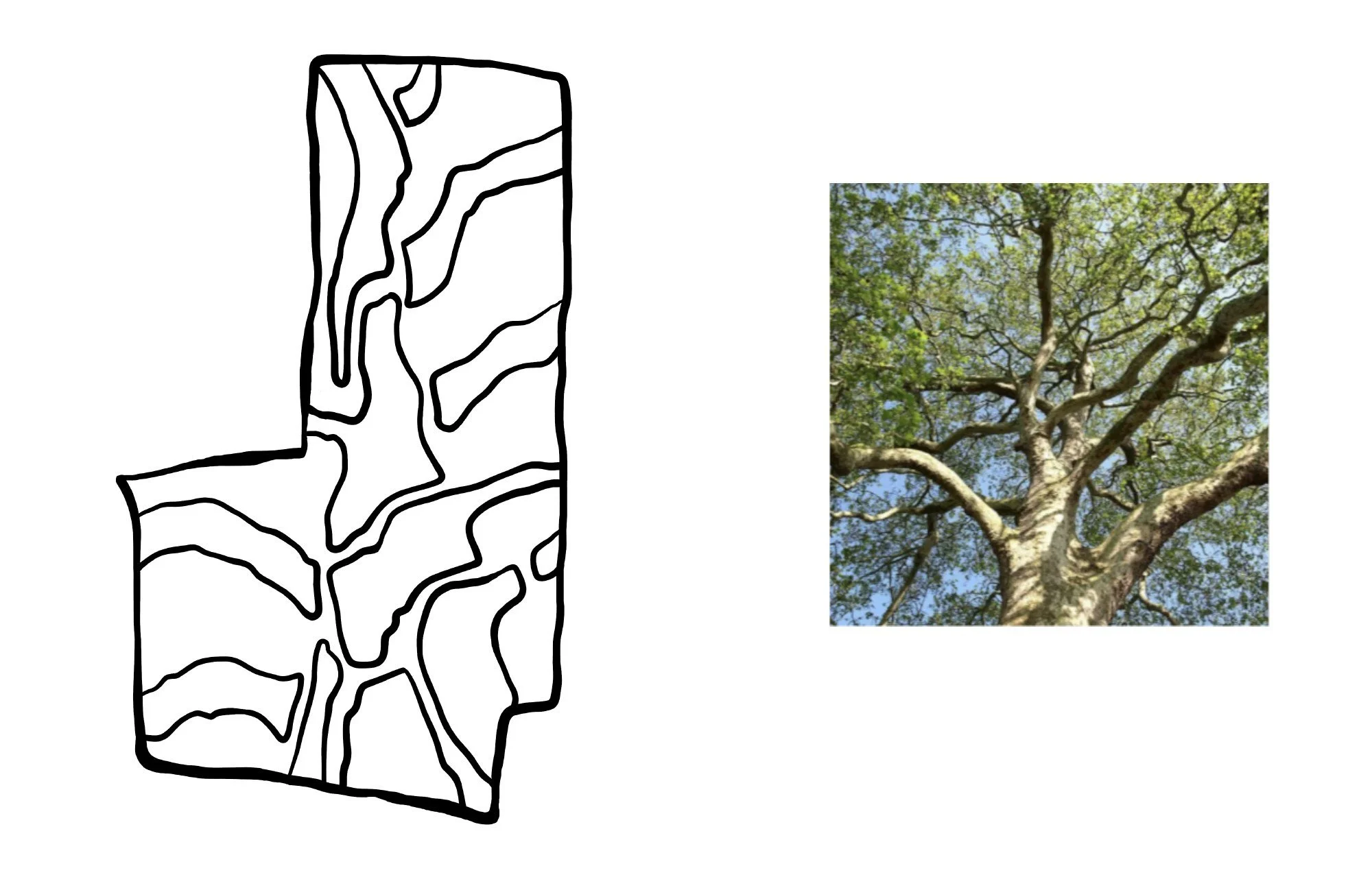
The London plane tree (Platanus × hispanica or Platanus × acerifolia) is a large, deciduous hybrid tree. A favorite of Robert Moses, London planes are famous for their tolerance of urban pollution and compacted soils, and were planted across the area en masse in the 1930s.
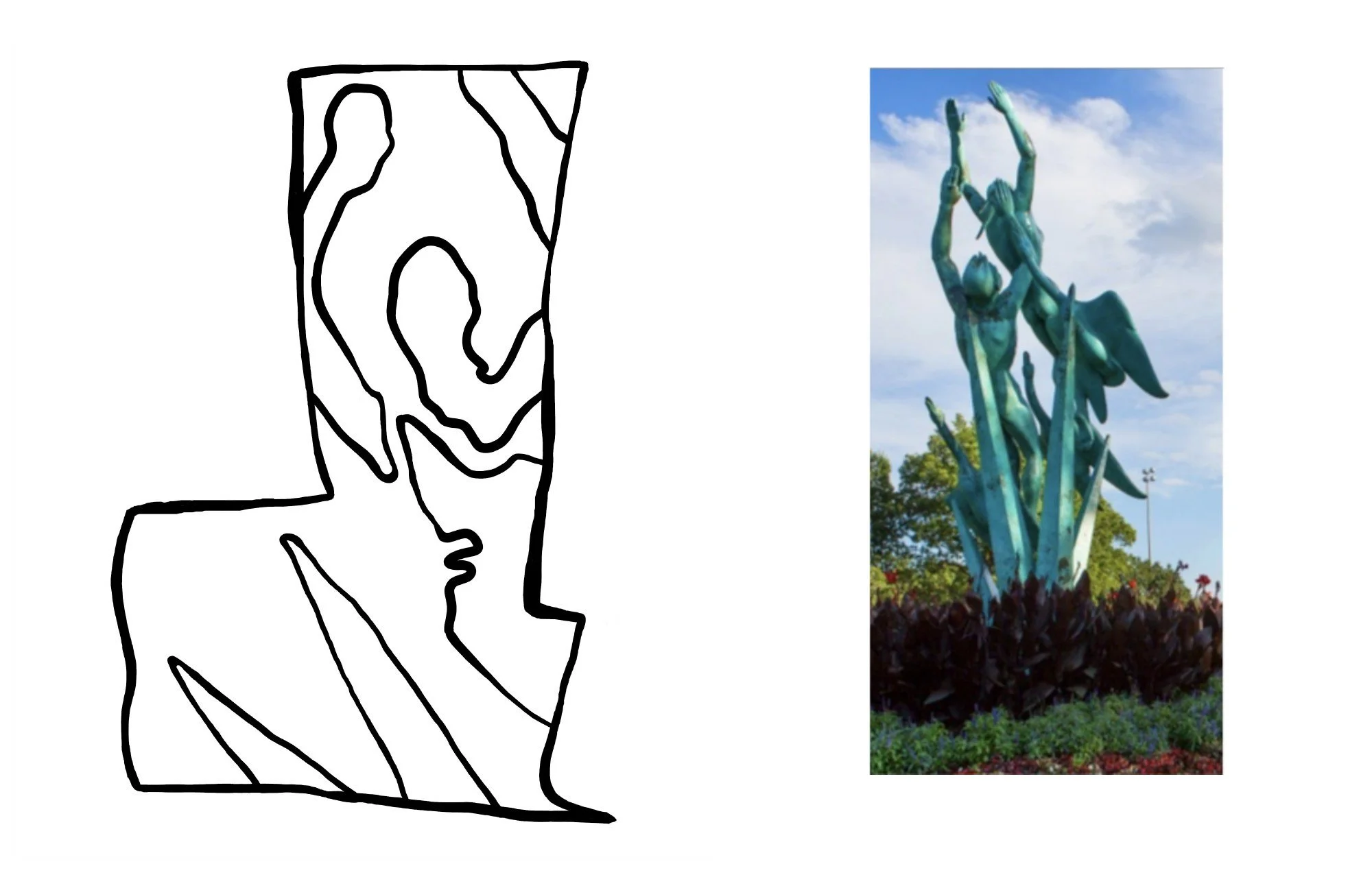
“Freedom of the Human Spirit,” a bronze sculpture by American sculptor Marshall Fredericks, originally created for the 1964–65 World’s Fair.
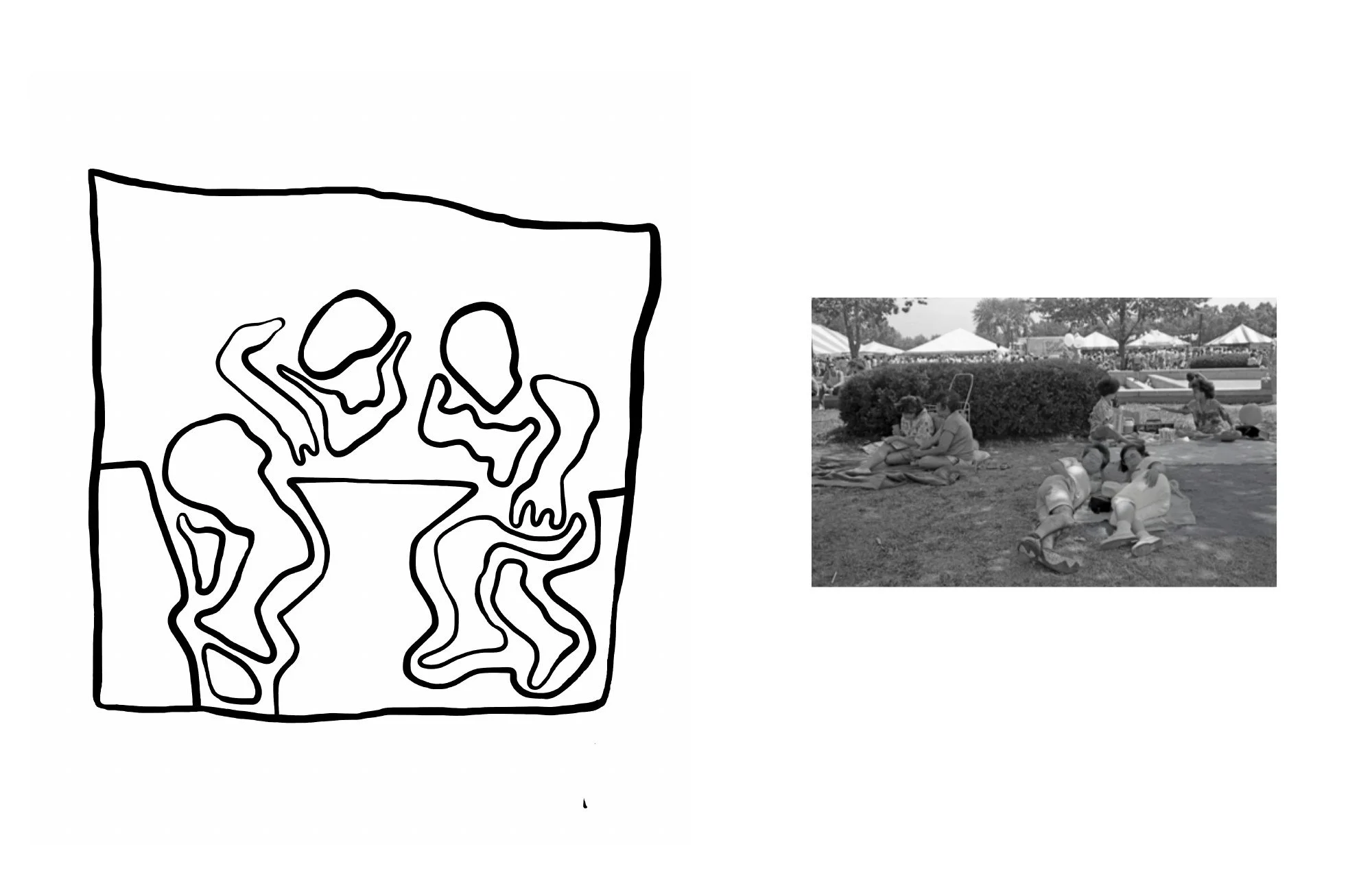
People relax and picnic on the grass at Flushing Meadows in 1986.
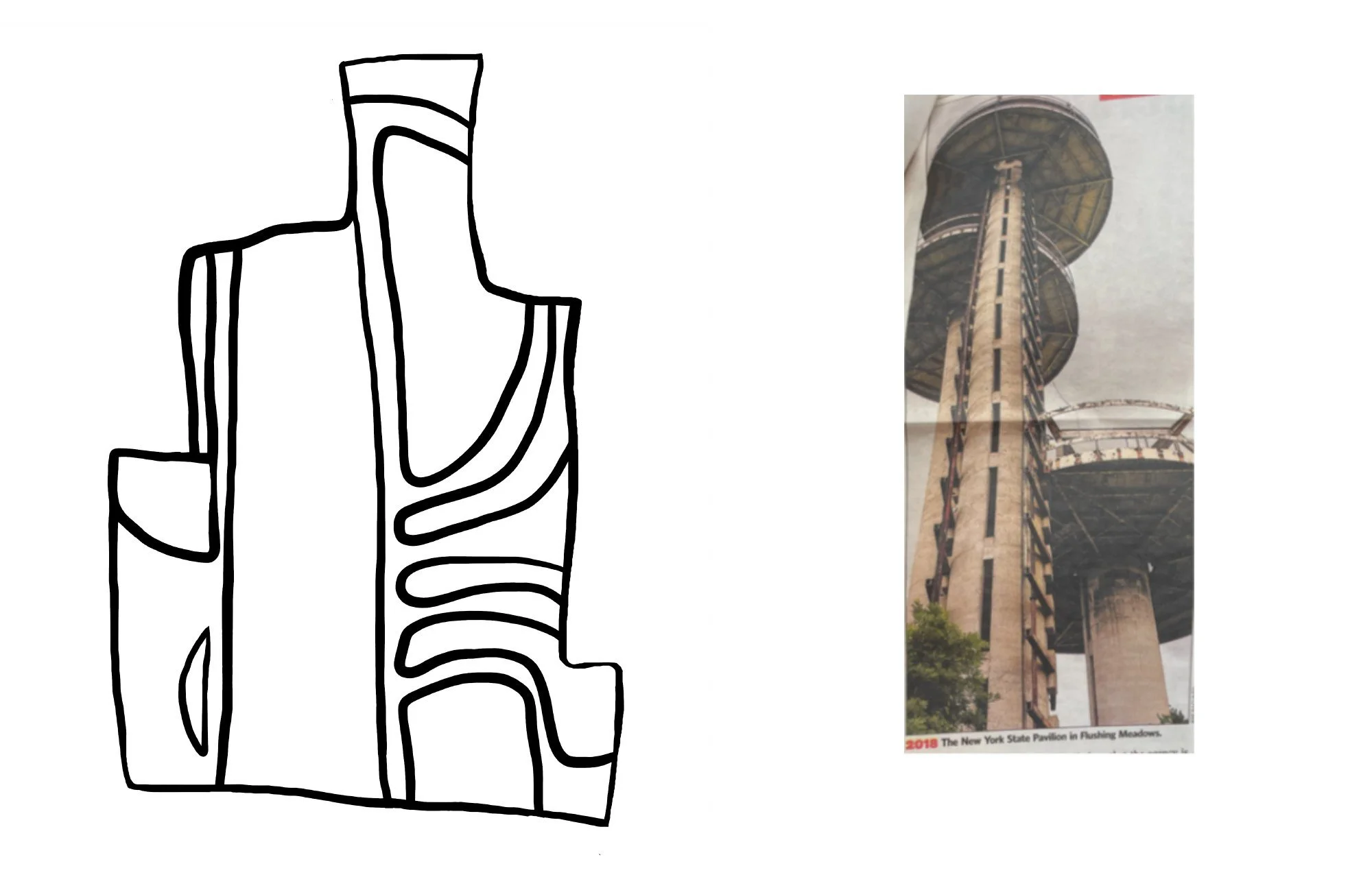
The New York State Pavilion.
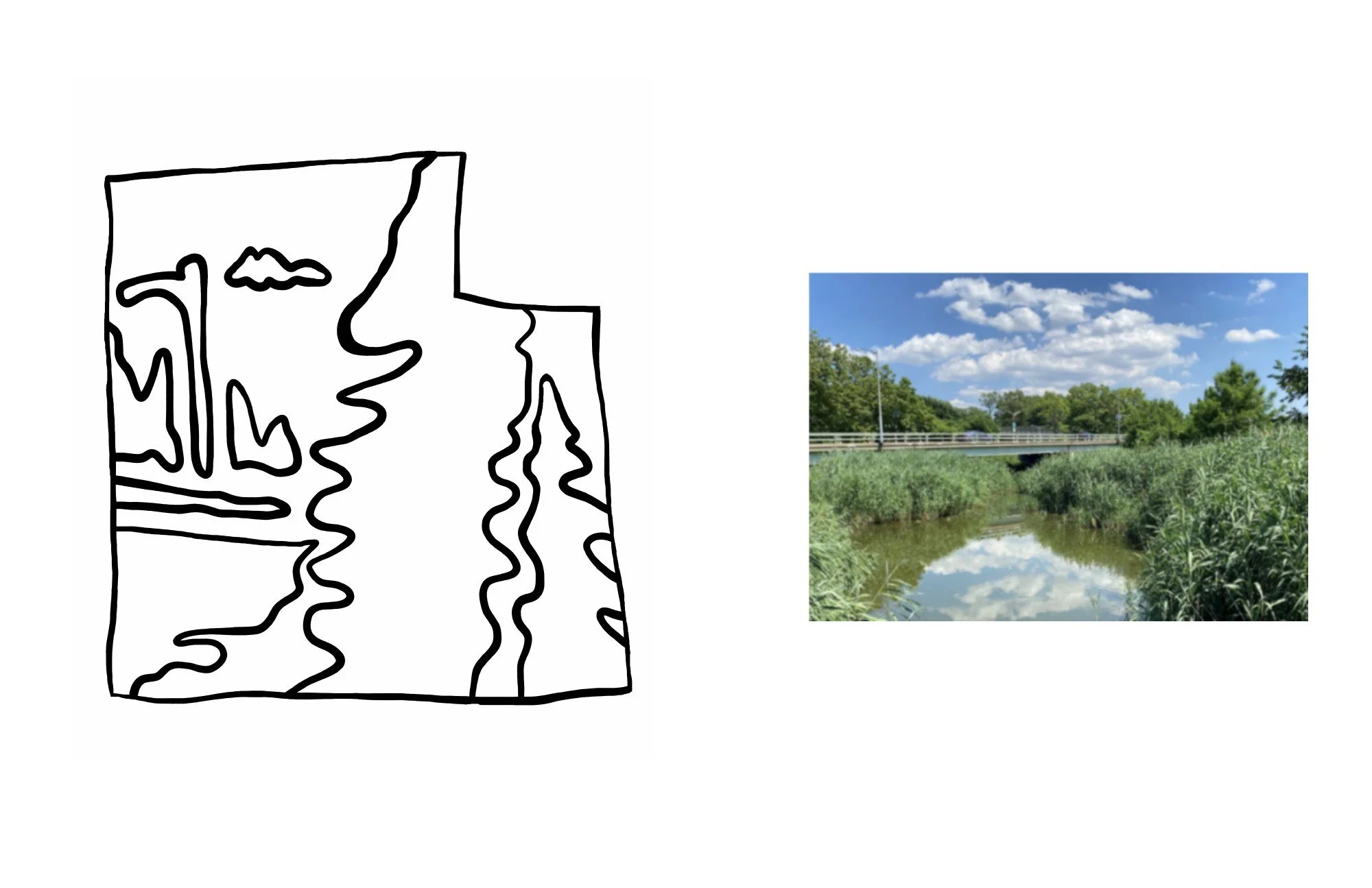
A road crossing a creek in Flushing Meadows.
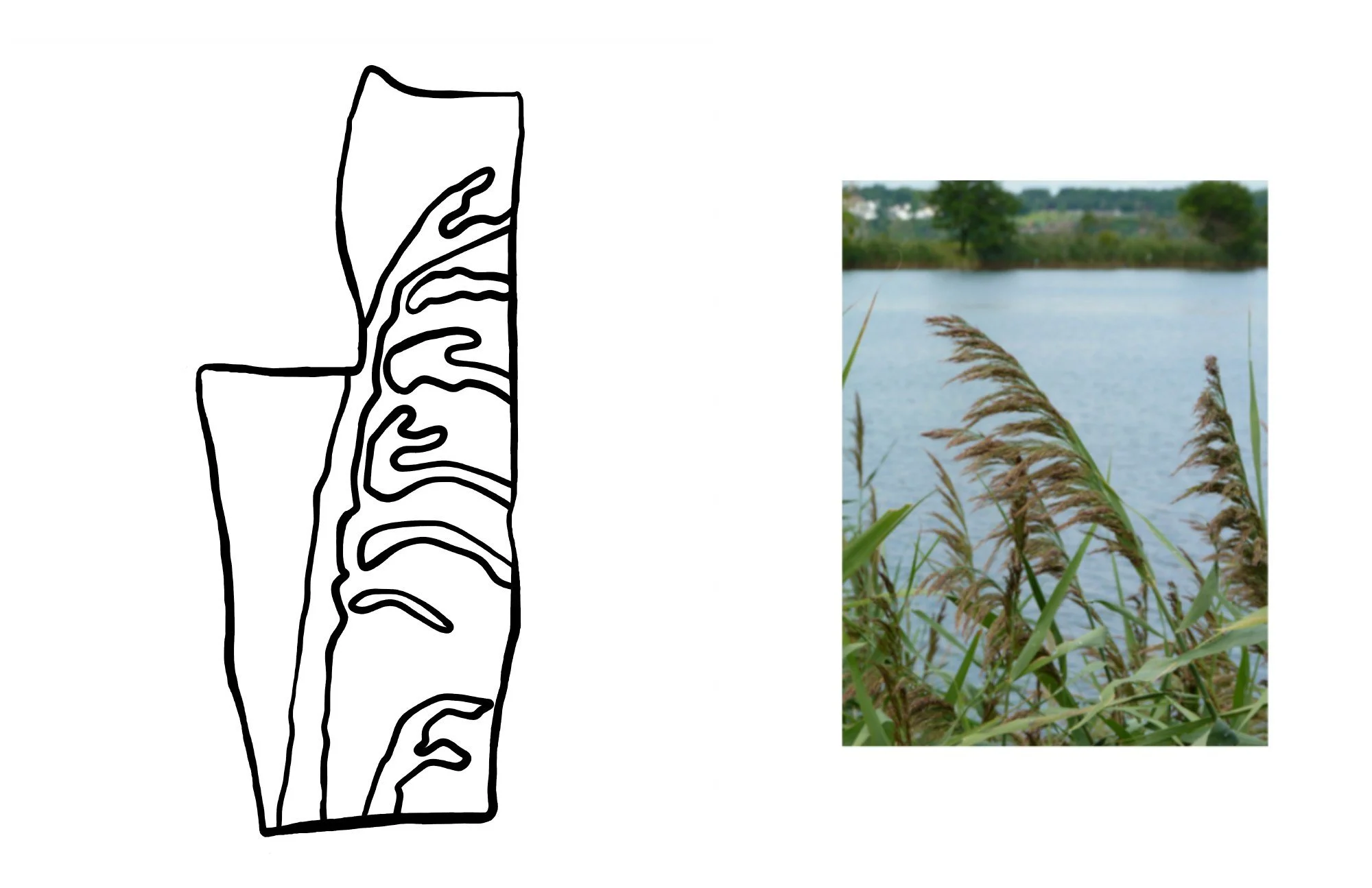
Invasive Phragmites australis, common in the park’s wetlands.